Obesity and Cancer Connection: Insights and Solutions at Nairobi Bariatric Center.
Nairobi Bariatric Center is at the forefront of addressing the significant link between obesity and increased cancer risk.
Our specialized weight loss procedures aim to reduce this risk and promote overall health and well-being.
According to the World Cancer Research Fund, about 20% of all cancers are related to obesity and sedentary lifestyles..
Obesity is a significant risk factor for several types of cancer, including breast, colon, and endometrial cancer. Excess body fat can lead to chronic inflammation, hormonal imbalances, and insulin resistance, all of which contribute to cancer development. By losing weight, these risk factors can be mitigated, promoting overall health and reducing cancer risk.
Even a modest weight loss of 5-10% of total body weight can substantially lower the risk of cancer. Benefits include:

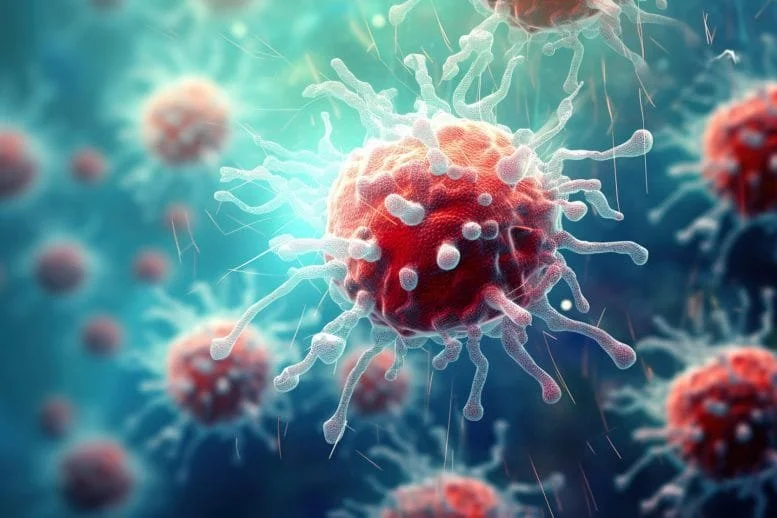

Obesity and Hormonal Imbalances
Obesity can lead to hormonal imbalances, such as increased estrogen and insulin levels, which are linked to the development of various cancers. Managing weight helps normalize these hormones, reducing cancer risk.

Chronic Inflammation and Cancer
Chronic inflammation, often associated with obesity, is a significant factor in cancer progression. Weight loss can reduce inflammation, thereby lowering the likelihood of cancer development.

Significant Cancer Risk Reduction
Research indicates that weight loss, even as modest as 5-10% of body weight, can significantly decrease the risk of several cancers, including breast and colon cancer. This highlights the importance of effective weight management.

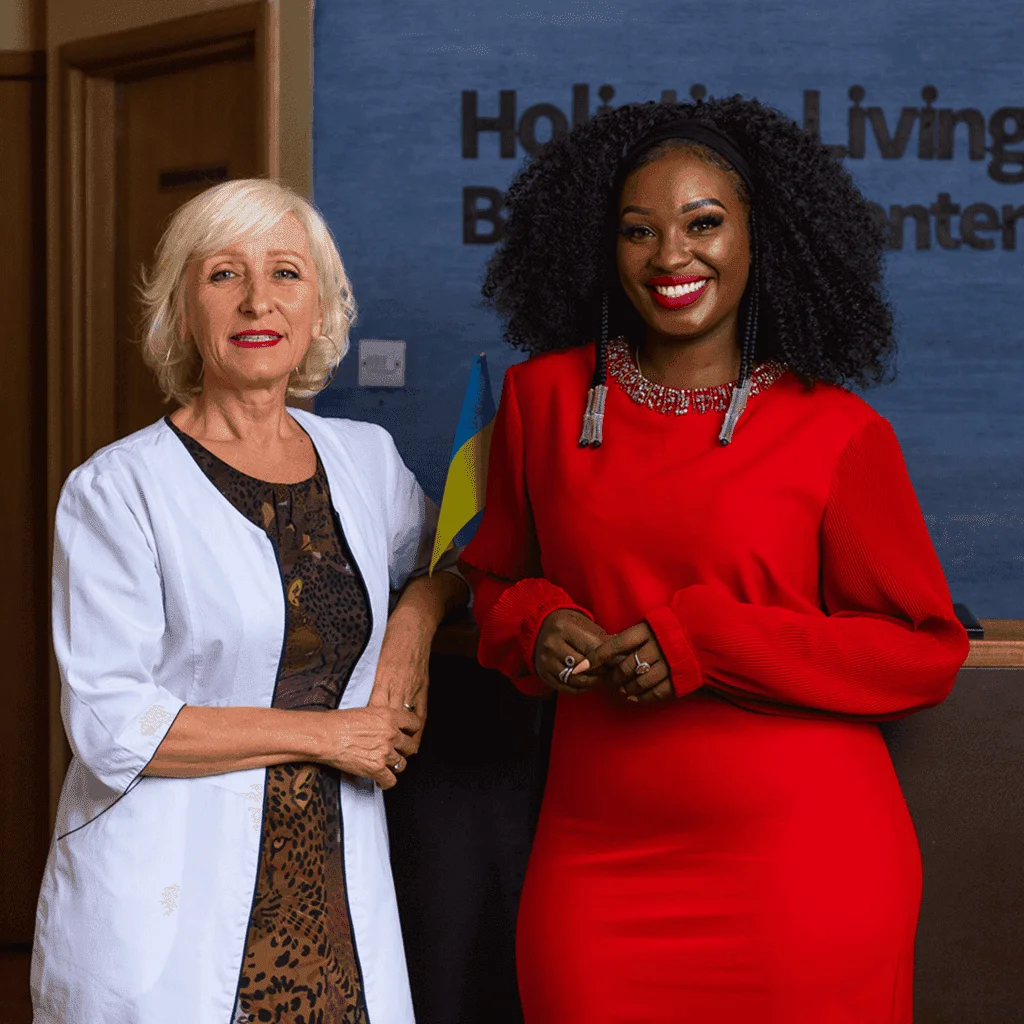

We strive for the highest level of quality and care
The team at Nairobi Bariatric Center is dedicated to offering personalized and effective weight loss solutions aimed at reducing cancer risk. Our comprehensive approach, combining both surgical and non-surgical methods, is tailored to meet individual patient needs. By focusing on sustainable weight management, we aim to enhance overall health and significantly lower the risk of cancer, ensuring that each patient receives the best possible care and support throughout their journey.
“I struggled from uncontrolled type 2 diabetes, and spent a fortune on medication. Within six months post-gastric bypass, not only did I lose 40kgs, but my blood sugar levels normalized, and I am now in diabetes remission!"
Begin your Journey to health
Get in Touch
NBC Leads form main
Subscribe
Name
Phone
Please choose treatment of interest
Select from listGastric BalloonGastric BypassGastric SleeveMedical Weight Loss ProgramPsychotherapyBowel IrrigationSurgical aftercareIndividual TherapyMini Bypass
Your Message
Submit Form
Our Services
Cancer & Obesity FAQs


How does obesity increase cancer risk?
Obesity increases cancer risk by causing chronic inflammation, hormonal imbalances (such as higher estrogen and insulin levels), and insulin resistance. These factors create an environment that promotes the growth and spread of cancer cells.
What types of cancer are most associated with obesity?
Obesity is linked to several types of cancer, including breast, colon, endometrial, kidney, and esophageal cancers. Weight loss can help reduce the risk of developing these cancers.
What weight loss options are available at Nairobi Bariatric Center for managing Cancer?
Nairobi Bariatric Center offers both surgical options (such as gastric bypass and sleeve gastrectomy) and non-surgical options (such as medical weight management and nutritional counseling), tailored to individual needs.
Get in touch
Book Appointment
NBC Leads form main
Newsletter
Name
Phone
Please choose treatment of interest
Select from listGastric BalloonGastric BypassGastric SleeveMedical Weight Loss ProgramPsychotherapyBowel IrrigationSurgical aftercareIndividual TherapyMini Bypass
Your Message
Submit Form