Overcome emotional eating and weight relapse permanently. Join our specialized 3-month course of psychological correction and habit re-wiring in Nairobi.
"Unless you can change your mind about what you eat, why you eat, and the amount you are eating, there is nothing in the world that can change your love for food."
Obesity is not simply a metabolic condition; it is heavily influenced by neural wiring and psychological habits. Because hunger is genetically wired, it is one of the most difficult emotions to control. Standard diets fail because they ignore the underlying psychological patterns of stress-eating, environmental triggers, and emotional dependency.
Our psychotherapy course targets the root-cause factors of weight gain. Through weekly group therapy, combined with monthly progress reviews conducted by Dr. Lydmila Shchukina, clients address the subconscious patterns that govern their appetite and learn to build healthy, easy-going, and non-obsessive eating habits. (Individual 1-on-1 psychotherapy is available as a separate package).
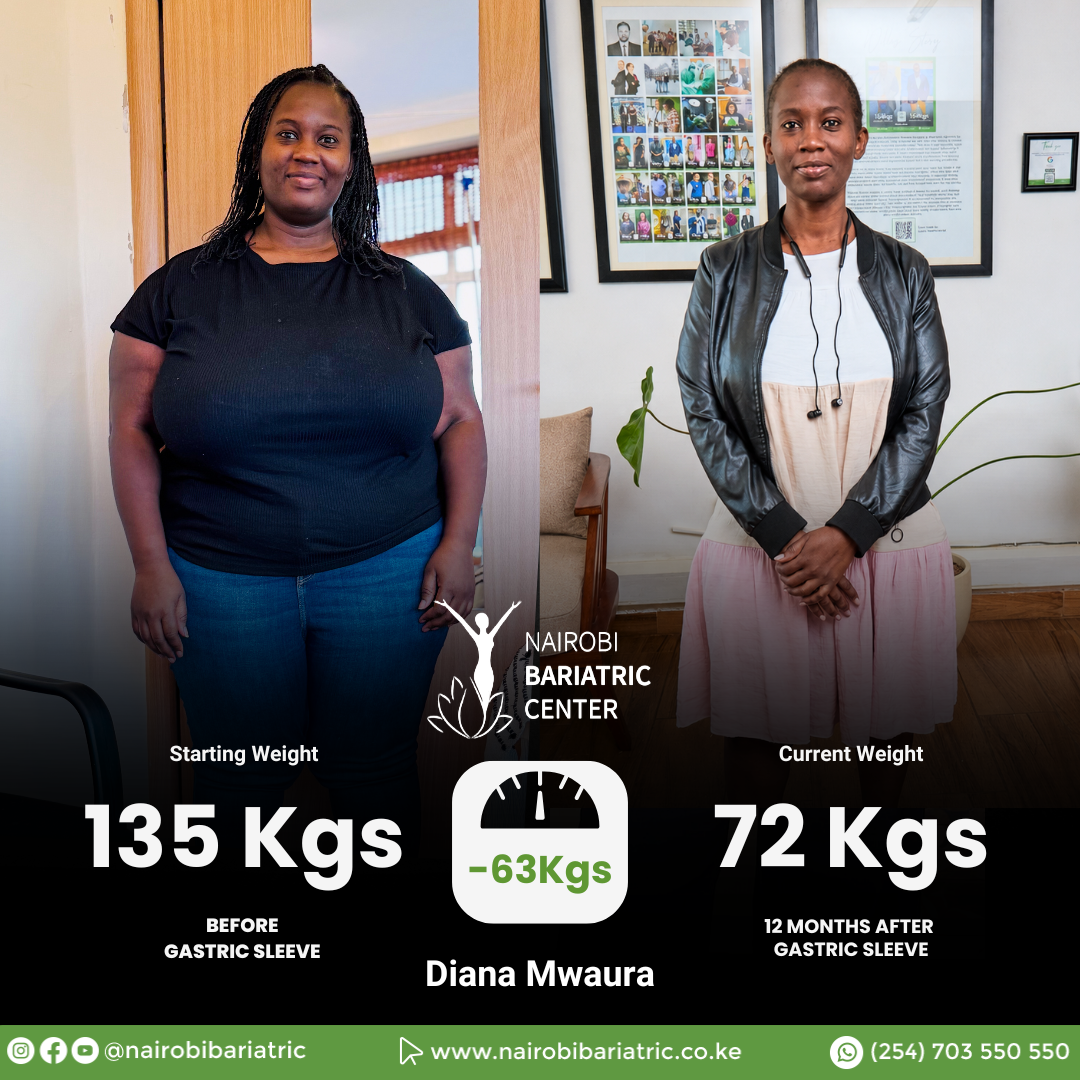
"Through Psychotherapy my relationship with food had to change. I knew in this season the issue we have to address as women was food. During consultation Dr. Shchukina said to me hunger is genetically wired, it's the most difficult emotion to control. Unless you can change your mind about what you eat, why you eat and the amount you are eating, there's nothing in the world that can change your love for ugali."
From first meeting to long-term health tracking, here is what your dynamic habits course with Nairobi Bariatric Center looks like.
Step #1
Step 1
Meet the Doctor
An initial clinical consultation to assess your medical profile, weight history, and individual health needs before beginning the programme.
Step #2
Step 2
Calorie Counting Education
Learn practical nutritional awareness, calorie counting, and food tracking to complement your behavioural habit changes.
Step #3
Step 3
Audio Sessions
Listen to daily at-home audio sessions to reinforce subconscious habit re-wiring and support long-term practice.
Step #4
Step 4
Group Therapy
Attend weekly guided group sessions focusing on eating behaviours, triggers, and practical strategies in a supportive environment.
What to expect from the therapy sessions?
The resulting subconscious change in eating habits occurs right from the beginning of your treatment. Several unsuccessful attempts at losing weight may have left you discouraged. With this treatment, your worries and doubts will slowly fade away. You will become more confident with each day, knowing that you are on track with the right weight loss approach for you.
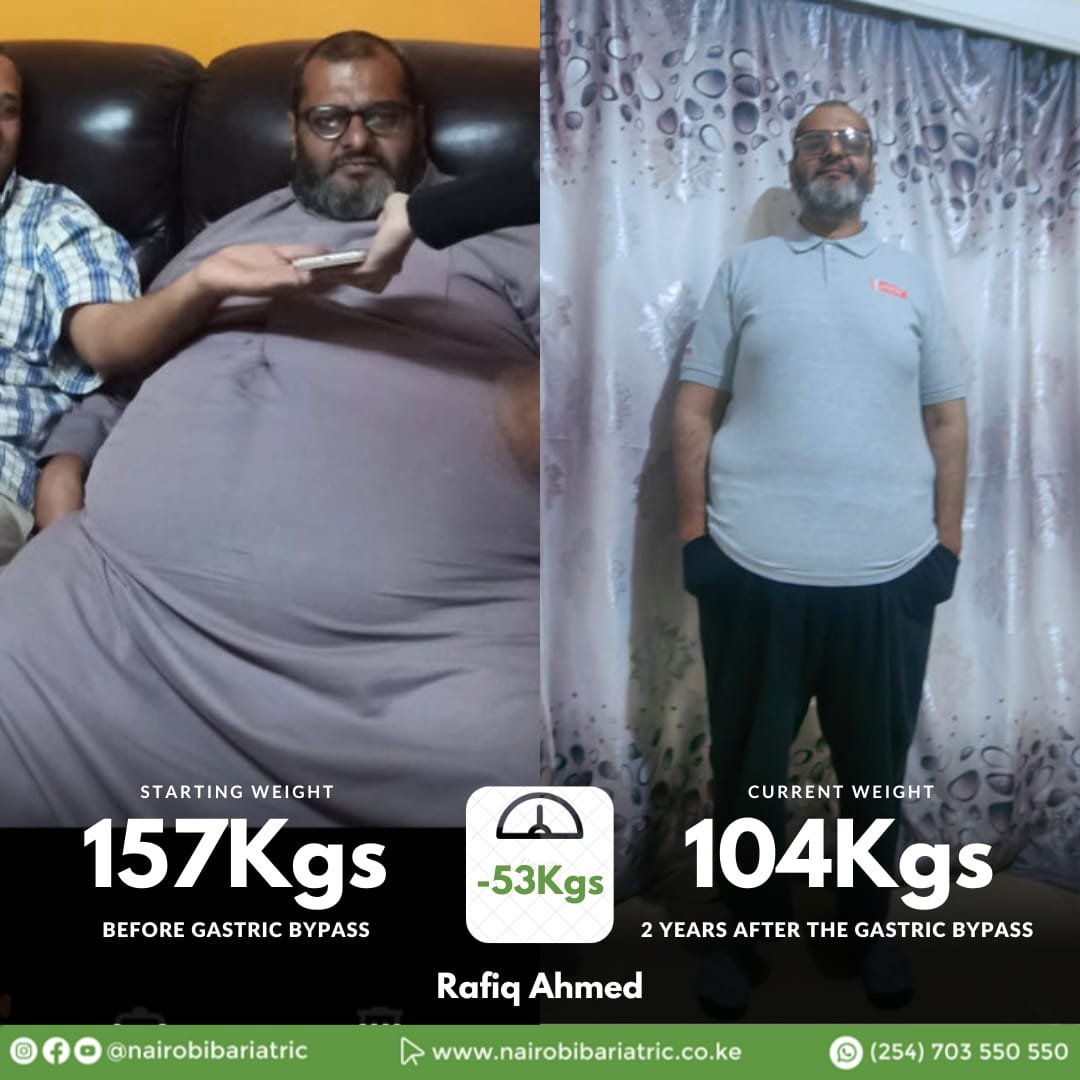
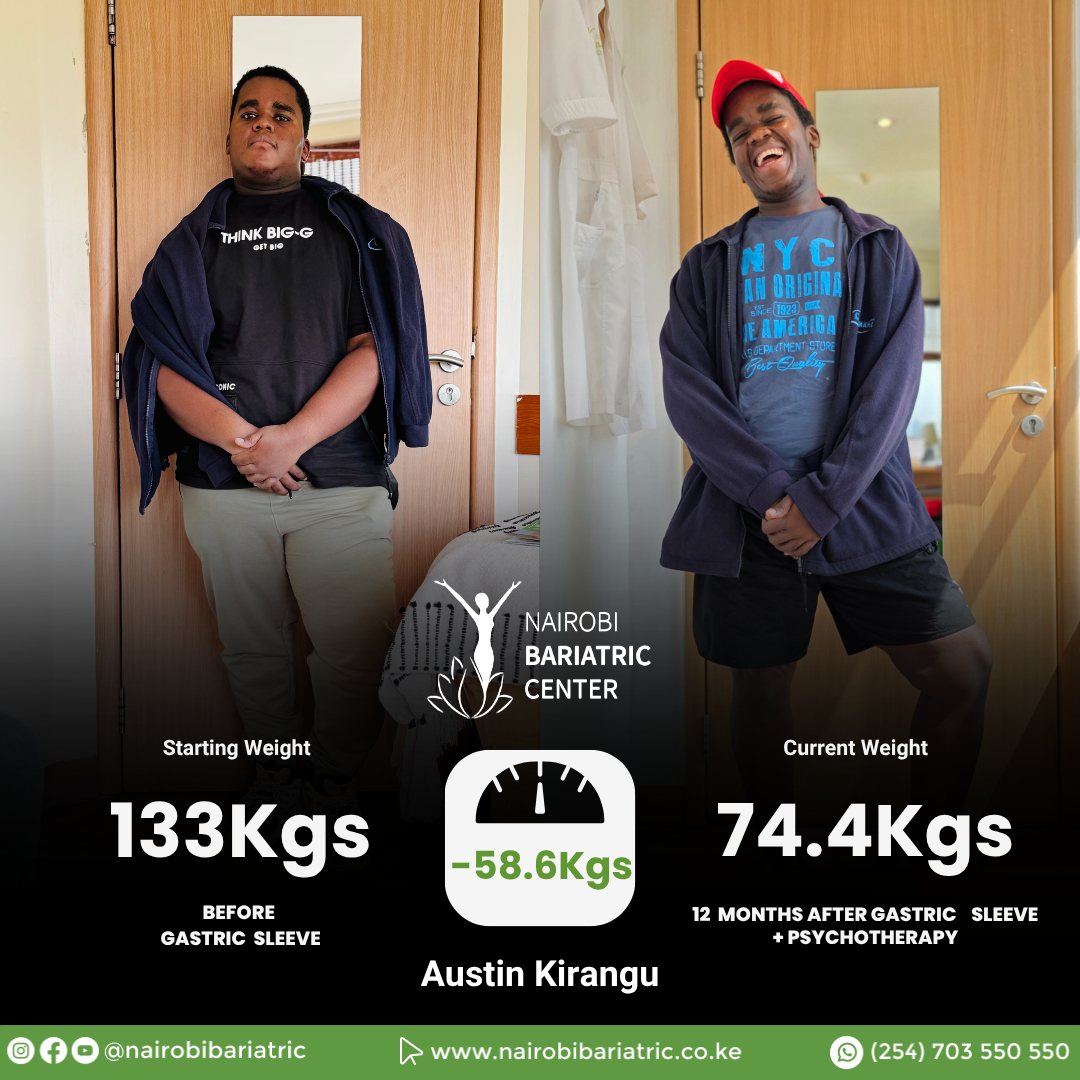
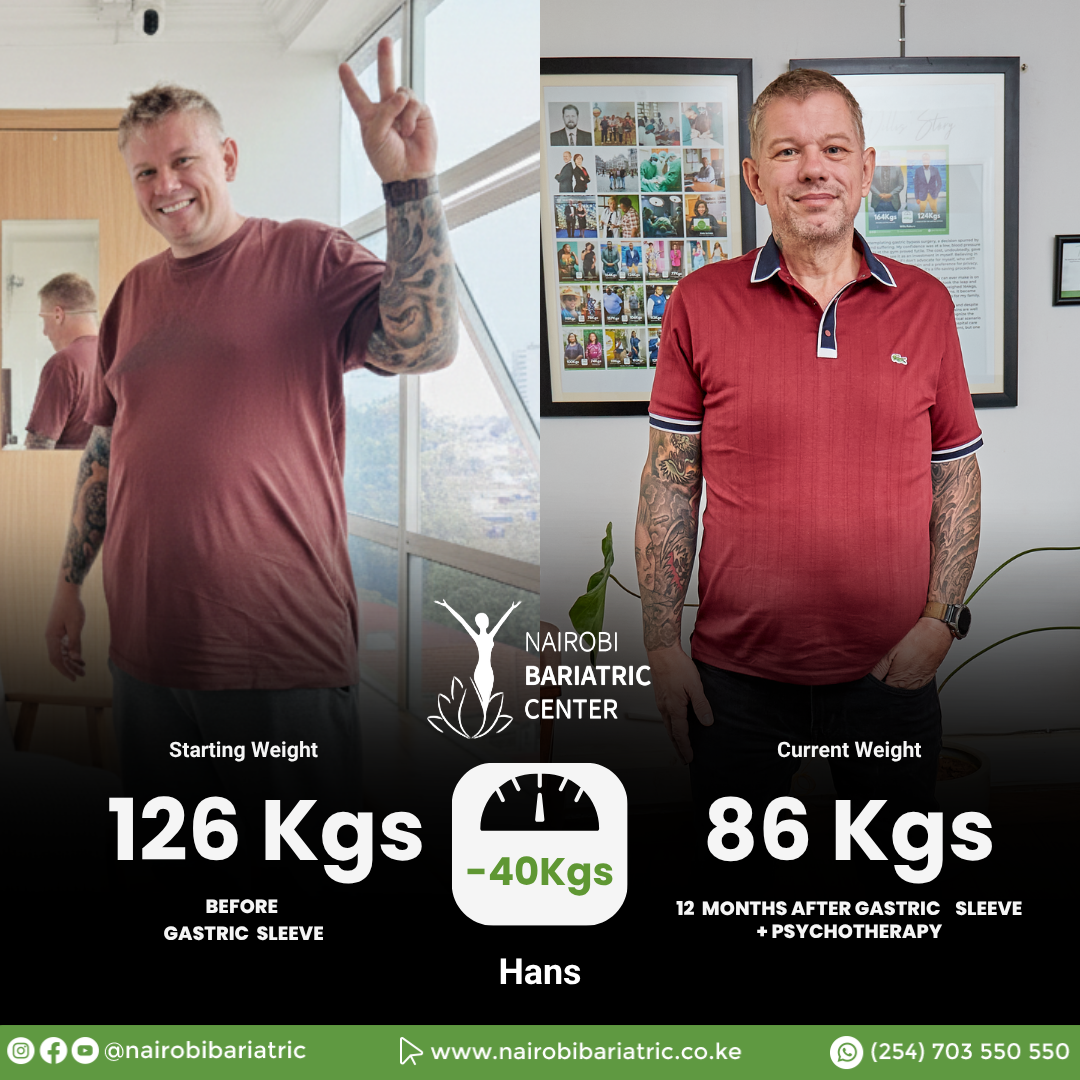
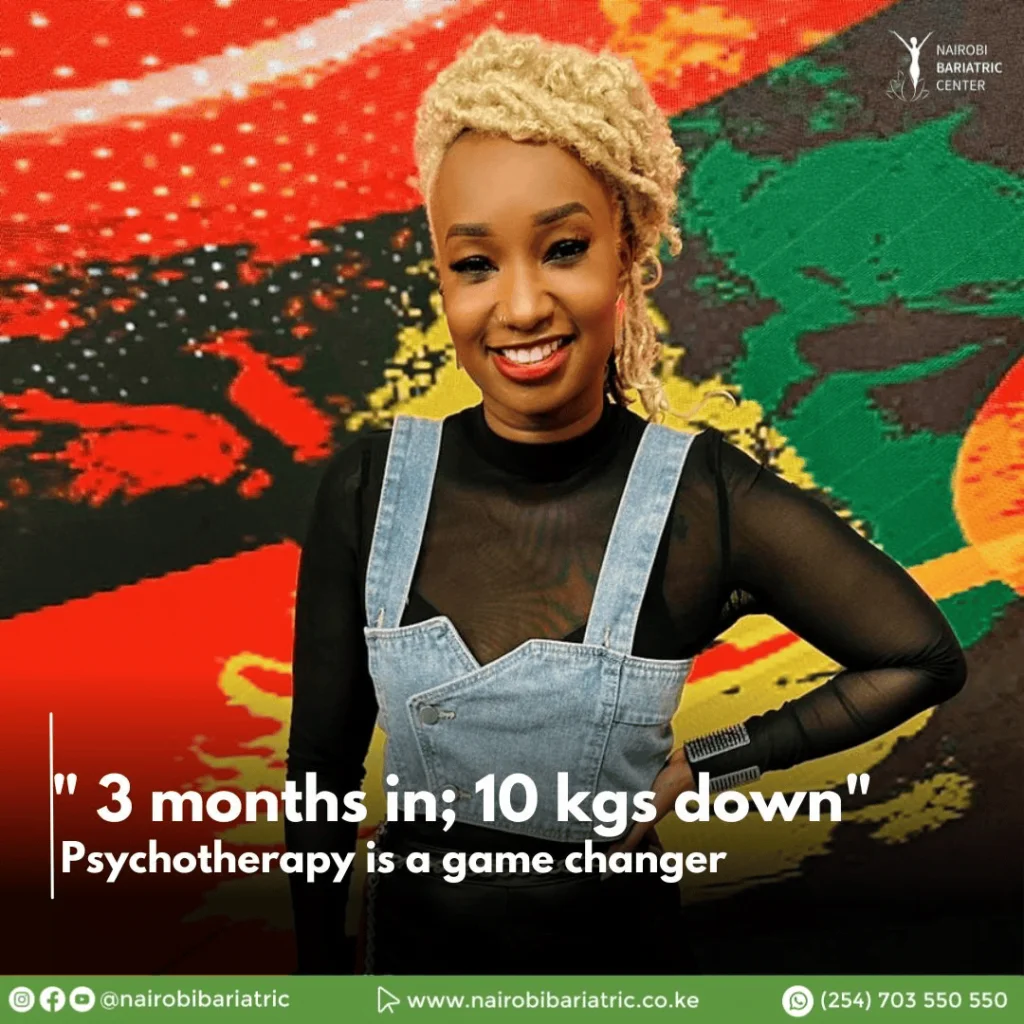
Our clients develop healthy, easy-going and non-obsessive lifelong eating habits, with some patients losing up to 10 kgs a month depending on individual adherence and clinical factors.
Weight-loss psychotherapy focuses on the thoughts, habits, emotions and behaviours that can influence eating and weight management. The programme combines psychotherapy, self-monitoring and practical habit-change strategies to help patients develop healthier and more sustainable eating behaviours.
The programme is designed for people who want to better understand and change the habits and behaviours that may be affecting their eating and weight. It may be particularly helpful for people who struggle with emotional eating, eating in response to stress or boredom, repeated dieting, difficulty maintaining healthy habits, or weight regain. Suitability is assessed as part of the initial consultation.
No. You do not need to have a diagnosed psychological condition to benefit from weight-loss psychotherapy. The programme focuses on understanding your relationship with food and developing practical skills and habits that support long-term weight management.
Yes. Weight-loss psychotherapy is not limited to patients who have undergone bariatric surgery. It can form part of a broader weight-management plan, depending on your individual needs and clinical assessment.
Traditional diets often focus mainly on what and how much you eat. Weight-loss psychotherapy also explores why you eat, including habits, triggers, emotions, thoughts and behaviours that can make weight management difficult. The goal is to help you develop skills and habits that can be maintained beyond a temporary diet.
The core programme is structured as a 3-month course with weekly group psychotherapy sessions led by a specialist, and monthly progress reviews conducted by Dr. Shchukina. In addition, patients complete at-home audio sessions (recommended for 9 to 12 months for long-term habit consolidation) and self-monitoring activities. (Individual 1-on-1 psychotherapy is available as a separate package).
Group sessions focus on understanding eating behaviours, identifying patterns and triggers, and developing practical strategies for healthier habits. The sessions are guided by a specialist and provide a supportive environment where participants can learn and work through common challenges.
No. Individual psychotherapy is offered as a separate package from the 3-month group psychotherapy programme. The group programme includes weekly group psychotherapy sessions, alongside the other components of the weight-management programme. Patients who would benefit from one-on-one psychotherapy can enquire about the separate individual therapy package, which is structured according to their individual needs.
The audio sessions are guided exercises designed to reinforce the concepts and techniques introduced during the programme. They are completed at home to support subconscious habit re-wiring. While the group course lasts 3 months, Dr. Shchukina recommends continuing daily audio sessions for 9 to 12 months to solidify long-term habit maintenance and prevent relapse.
Patients should plan for the weekly group psychotherapy session, as well as time for the recommended audio sessions and self-monitoring activities such as keeping a food diary. The exact requirements will be explained as part of the programme onboarding.
Yes. Keeping a food diary is a required part of the programme. It allows our nutrition team to monitor your eating patterns, progress and adherence to your personalized nutrition plan and helps them provide ongoing guidance and support throughout your weight-loss journey. Your food diary also helps the team identify patterns or challenges that may be affecting your progress, so they can provide more personalized recommendations where needed.
The programme focuses on sustainable behaviour change rather than simply placing patients on a restrictive diet. Your nutritional needs and eating plan will be discussed as part of your overall weight-management care.
No single food is automatically prohibited as part of the psychotherapy approach. Instead, the programme focuses on understanding eating patterns, practising self-monitoring and developing healthier, sustainable choices.
Progress may be monitored through participation and attendance, food diary and other self-monitoring activities, weight checks and regular review of how well you are applying the strategies discussed during the programme. Your care team can use this information to identify areas where additional support may be helpful.
Consistency is an important part of the programme. If you are unable to attend a session, please inform the team as soon as possible so they can advise you on the next steps and help you stay on track.
Struggling with behaviour change is a normal part of the process. Rather than viewing setbacks as failure, the programme can help you understand what contributed to the difficulty and identify practical ways to move forward. If you are finding any part of the programme difficult, speak to your care team.
Following the 3-month programme, you will receive clear guidance on the next stage of your care, including recommended long-term audio practice (recommended for 9 to 12 months), continued self-monitoring, review appointments and ongoing support available through Nairobi Bariatric Center.
Yes. An initial consultation helps the clinical team understand your weight-management history, current health, eating patterns and individual needs so that the most appropriate treatment approach can be recommended.
The clinical team will determine whether any medical or other assessments are needed based on your individual history and current health. If you have previous relevant medical reports or test results, you may be asked to bring or share them during your assessment.
The 3-month psychotherapy course is Ksh. 42,000. Patients should confirm what is included in the package before enrolment.
Start by booking a psychotherapy consultation with Nairobi Bariatric Center. During the consultation, the team can assess your needs, explain the programme and guide you through the next steps.
Schedule Your Psychotherapy Consultation
Confidential and certified specialist assistance.
Thank You!
Your consultation request has been received. Our clinical coordination team will get in touch with you shortly.
 Step 1
 Step 2
 Step 3
 Step 4