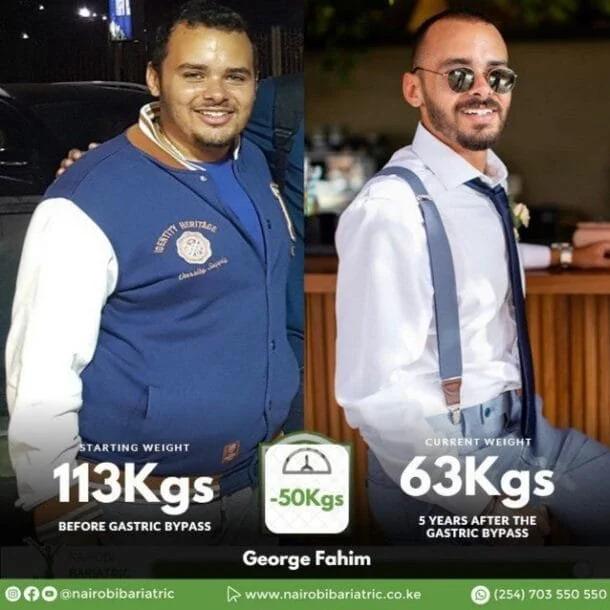
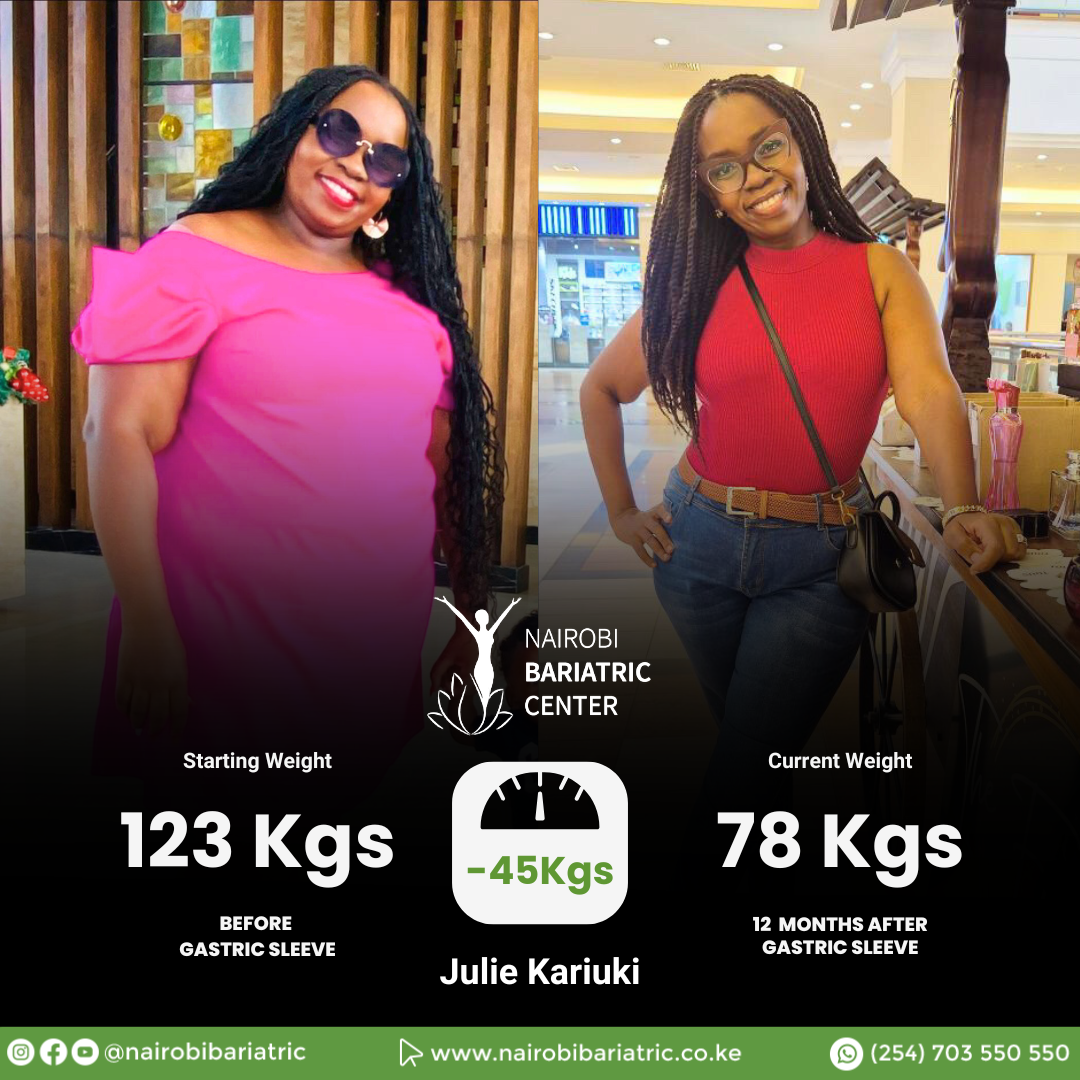
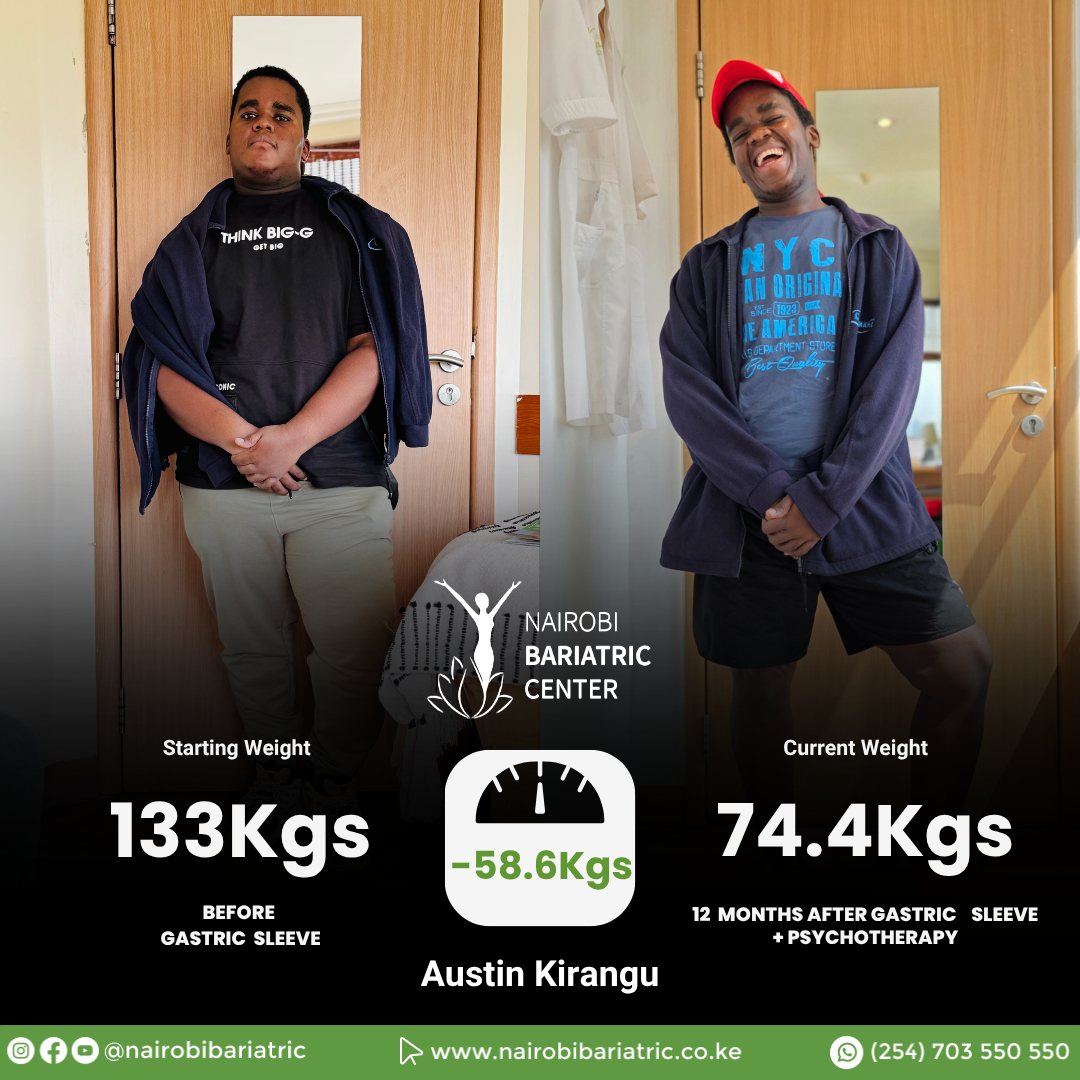
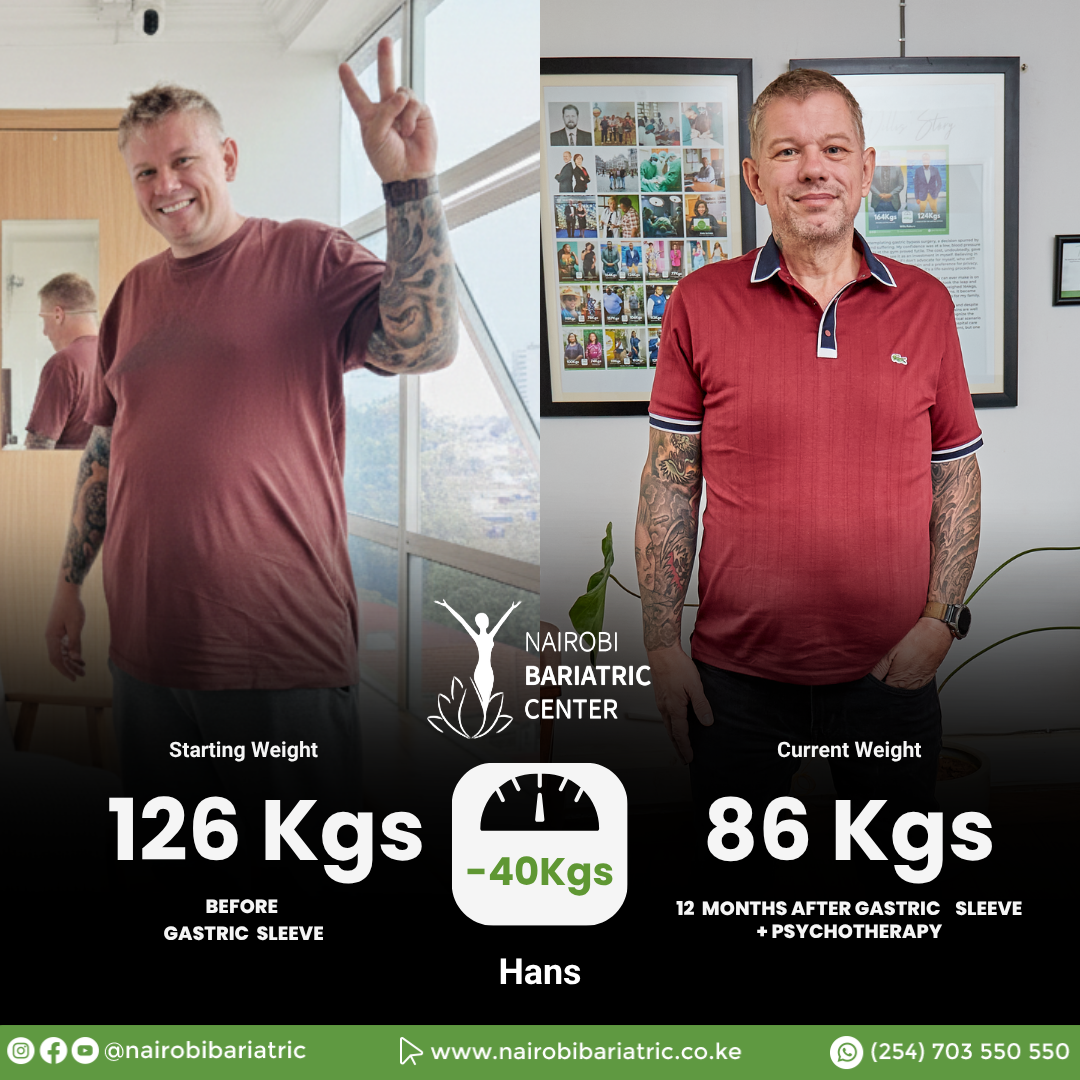
Lose Up to 70% Excess Weight with Gastric Sleeve Kenya
This is a minimally invasive procedure that induces weight loss by restricting food intake.
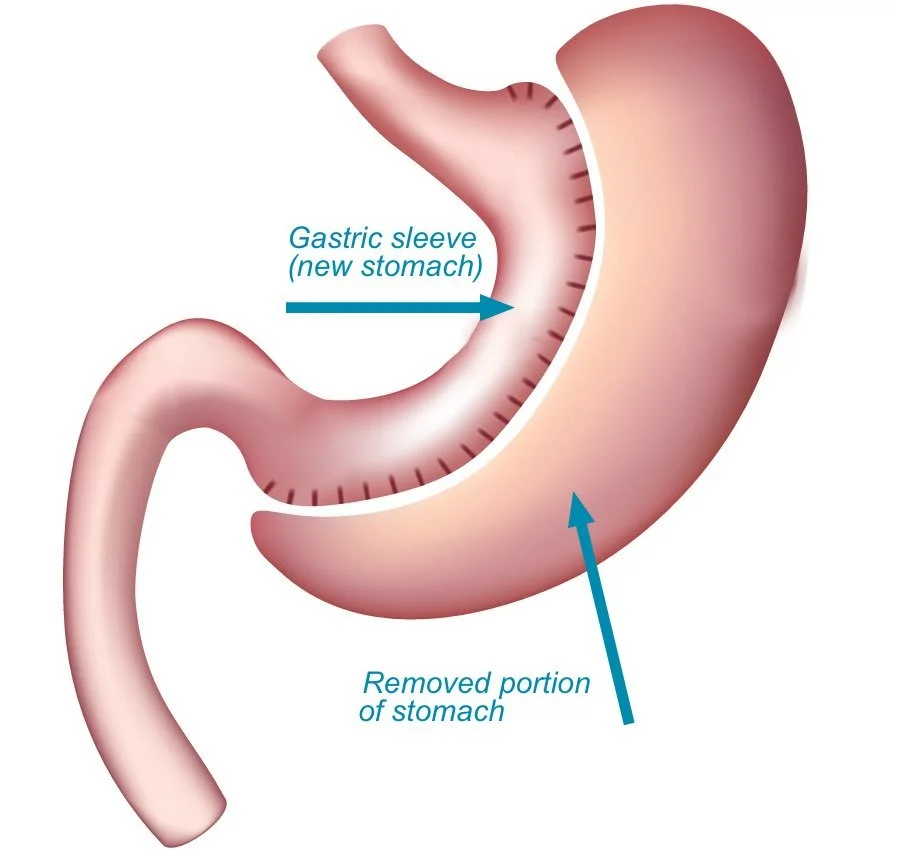
With this procedure, which is usually performed laparoscopically, the surgeon removes approximately 75 percent of the stomach.
This results in the stomach taking on the shape of a tube or "sleeve" which holds much less food, leaving you feeling much fuller on much less food, meaning consumption of much fewer calories.
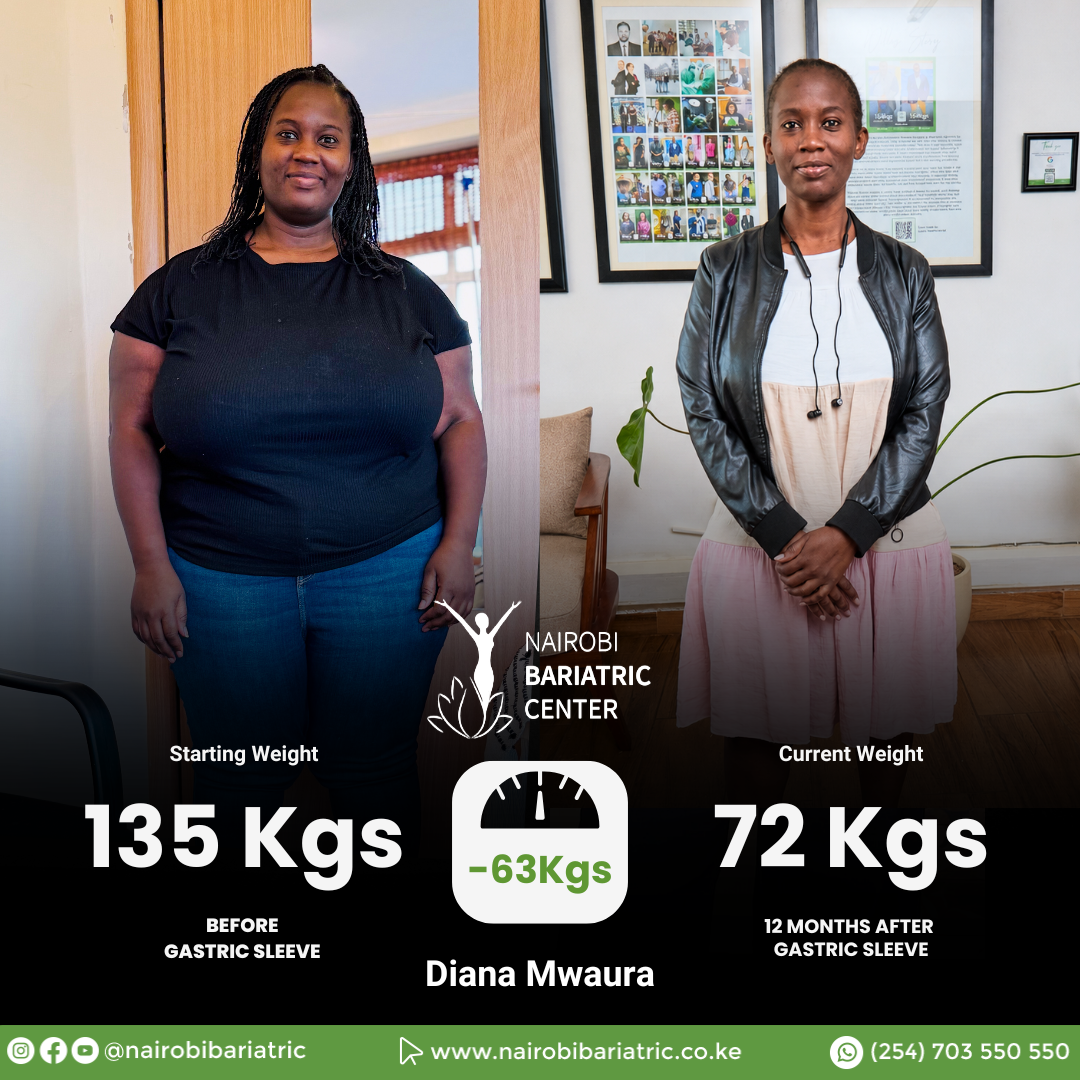
"I realized that health is what makes life worth living. My goal is to be a healthy parent to my boys and make choices that keep me around for longer. I want to be able to run after them now, and run after my grandkids in 30 years. It can be scary, but stepping into this journey has made me so hopeful for the future."
Gastric sleeve, also known as vertical sleeve gastrectomy (VSG) , is a surgical procedure in which approximately 70–80% of the stomach is removed, leaving a smaller, sleeve-shaped stomach. The smaller stomach limits the amount of food you can eat and also affects hunger-related hormones.
The procedure reduces the size of the stomach, allowing you to feel full with smaller portions. It also changes certain hormones involved in hunger and appetite, which can support long-term weight loss.
Weight loss varies from person to person. Many patients experience substantial weight loss, particularly during the first 12–18 months. Your results depend on factors such as starting weight, eating habits, activity levels, metabolism, medical conditions, and adherence to follow-up care. Weight-loss figures are estimates and cannot be guaranteed.
The procedure commonly takes around 1–2 hours , although the exact duration varies between patients.
Hospital stay varies depending on your recovery and the surgeon's assessment. Our patients typically stay approximately 1–2 days, ensuring you are recovering comfortably, tolerating fluids, and that all post-operative vitals are stable before discharge.
Some discomfort is expected after surgery. You may experience abdominal soreness, pressure, bloating, or discomfort, particularly during the first few days. Pain medication and appropriate post-operative care will be provided.
Recovery varies between patients. Many patients can gradually return to normal activities over the first few weeks. Those with physically demanding jobs may need more time before returning to full duties. Your surgeon will advise you based on your recovery.
This depends on your recovery and the type of work you do. Most patients with desk-based jobs return to work in 1–2 weeks, while those whose work involves heavy lifting or strenuous physical activity typically require 3–4 weeks. Your doctor will advise you when it is safe to return.
Walking and gentle movement are generally encouraged during recovery. Strenuous exercise and heavy lifting should be avoided until your surgeon confirms that it is safe to resume them.
Your diet will progress gradually after surgery. You will typically begin with liquids and progress to soft foods before gradually returning to solid foods. Your nutrition team will guide you through each stage.
You will eventually be able to eat a variety of foods, but your portions will be much smaller. You will need to eat slowly, chew thoroughly, prioritize protein, and follow your nutrition plan.
Yes. Common supplements may include:
• Bariatric multivitamin
• Calcium
• Vitamin D
• Vitamin B12
• Iron, where indicated
The exact supplements and doses will depend on your individual needs and blood results.
Long-term, often lifelong, supplementation is generally recommended after sleeve surgery. Regular blood tests are important to monitor your nutritional status and adjust supplementation when necessary.
Yes. Reflux can develop or worsen in some patients after sleeve surgery. If you already have significant reflux, this is an important factor for the surgeon to consider when deciding whether sleeve or bypass is more appropriate.
Potential risks include:
• Bleeding
• Infection
• Blood clots
• Gastric leak
• Narrowing/stricture
• Reflux
• Nutritional deficiencies
• Anesthesia-related complications
Your surgeon will explain the specific risks and how they are managed.
A gastric sleeve involves removing a significant portion of the stomach, so it is generally considered irreversible . This is an important consideration when choosing the procedure.
Previous abdominal surgery does not automatically prevent you from having a sleeve. However, previous operations can affect surgical planning. Your surgeon will review your history and determine whether the procedure is appropriate.
To reserve a date for surgery, we ask our patients to transfer us a small deposit. The balance is paid at our clinic after your consultation with the surgeon. We accept payment in Kenya Shillings, Euros, Pounds and US Dollars, as well as debit and credit cards (Visa and MasterCard).
Some banks have specific policies about making transactions in foreign countries. If you plan on paying with your debit or credit card, please contact your bank to make any necessary adjustments, including increasing your payment card limit if necessary.
Transformation stories are dynamically synchronized from the central patient registry. To edit existing stories or add new patients, use the central Testimonials editor.

 Step 1
 Step 2
 Step 3
 Step 4
 Step 5
 Step 6