Lose Up to 80% Excess Weight with Gastric Bypass Kenya
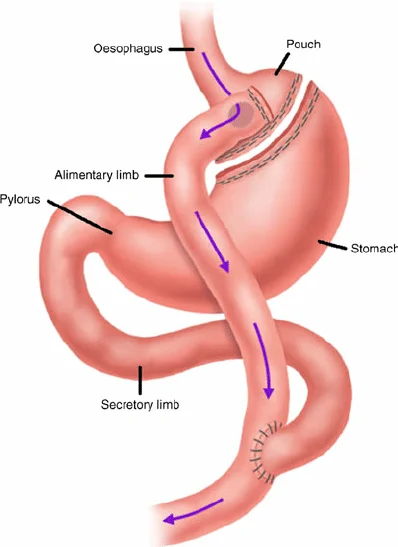
Laparoscopic Roux-en-Y Gastric Bypass causes weight loss by restricting the amount of food and reducing the absorption of the calories in the food you eat.
The stomach is divided into a small "pouch" in which food enters, and one large "remnant stomach" through which the food no longer passes. This "excluded" part of the stomach remains in the body and continues to produce helpful digestive juices, which meet the food further downstream.
The upper, smaller "pouch" holds a smaller amount of food than before, and is connected directly to a portion of the small intestine, bypassing the larger part of the stomach created by the procedure.
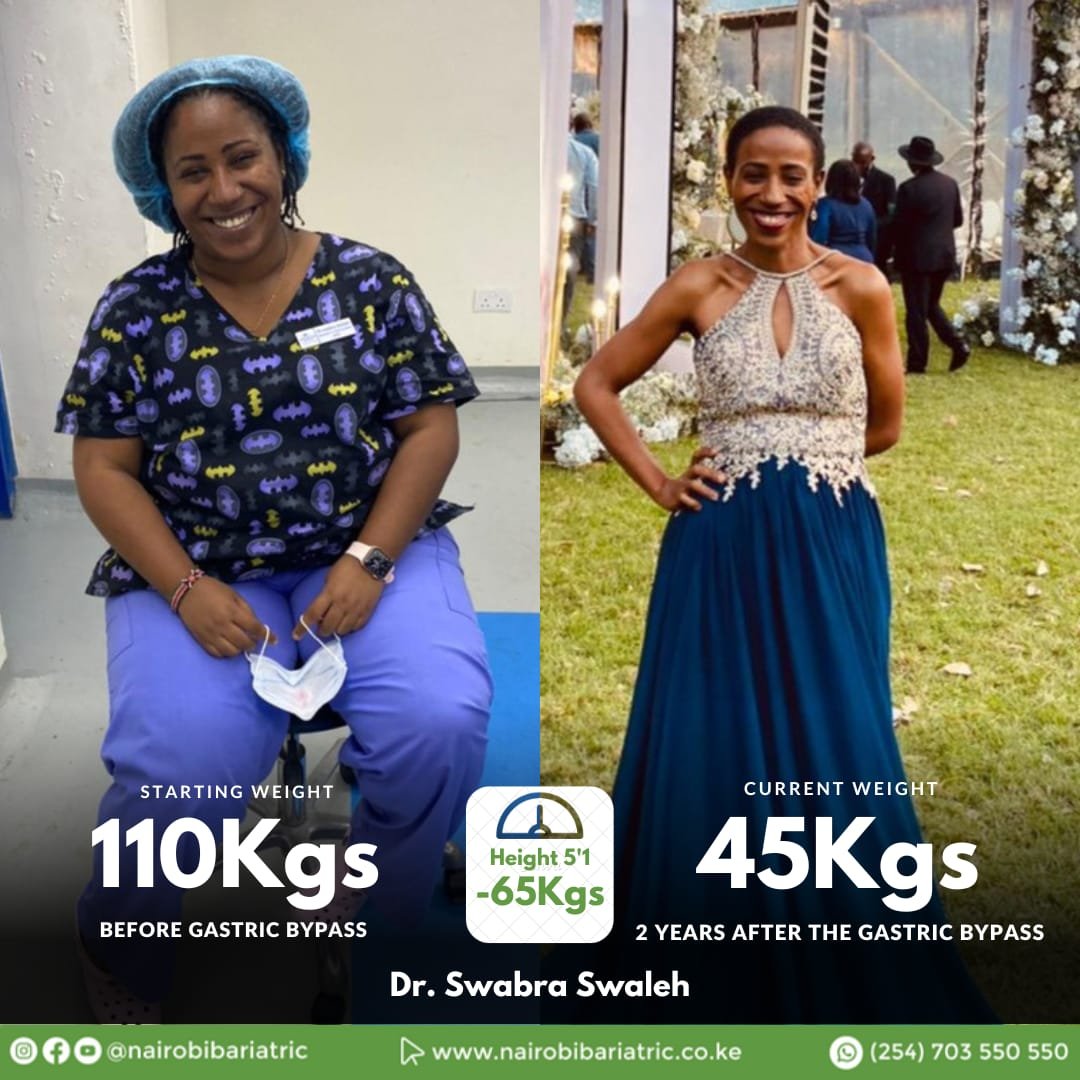
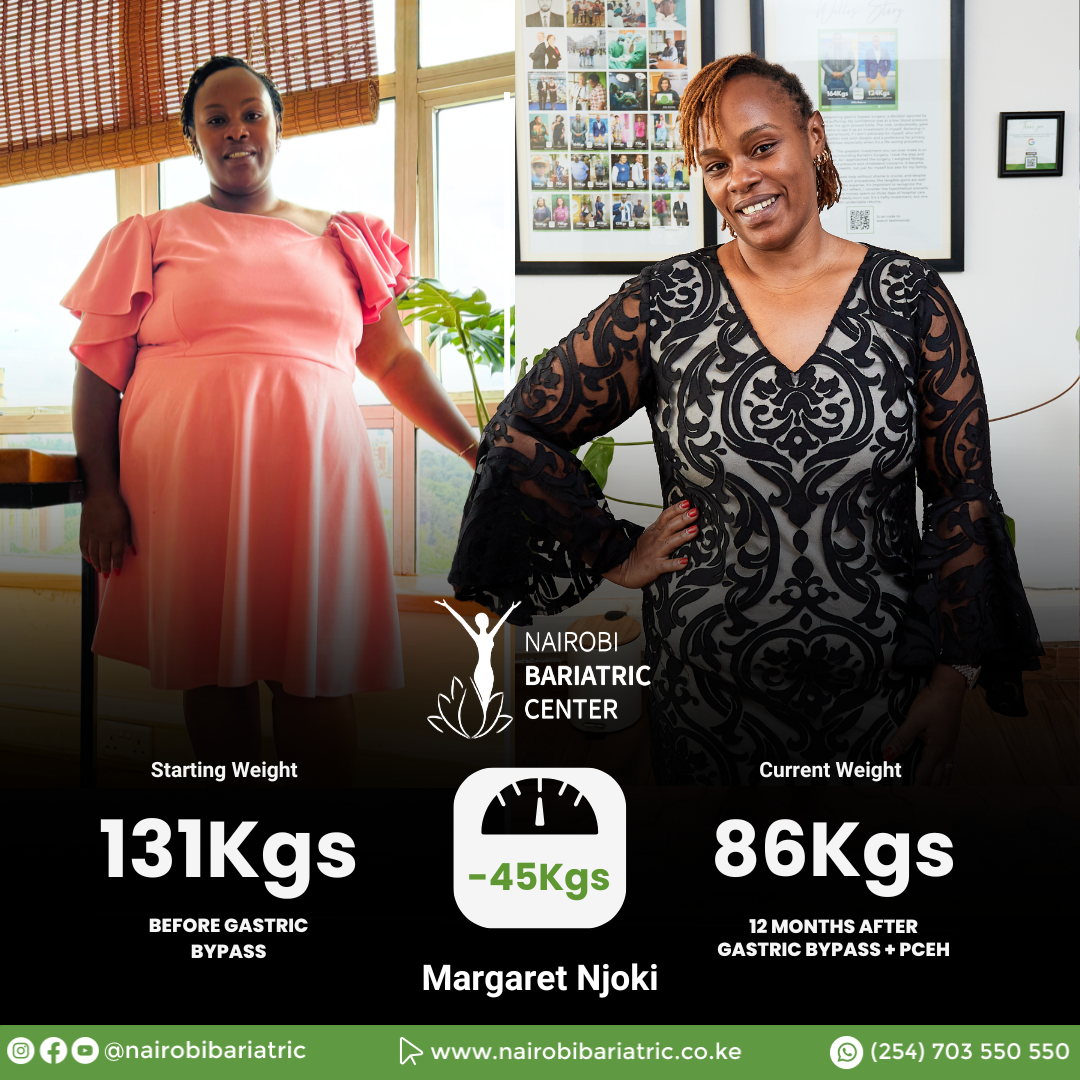
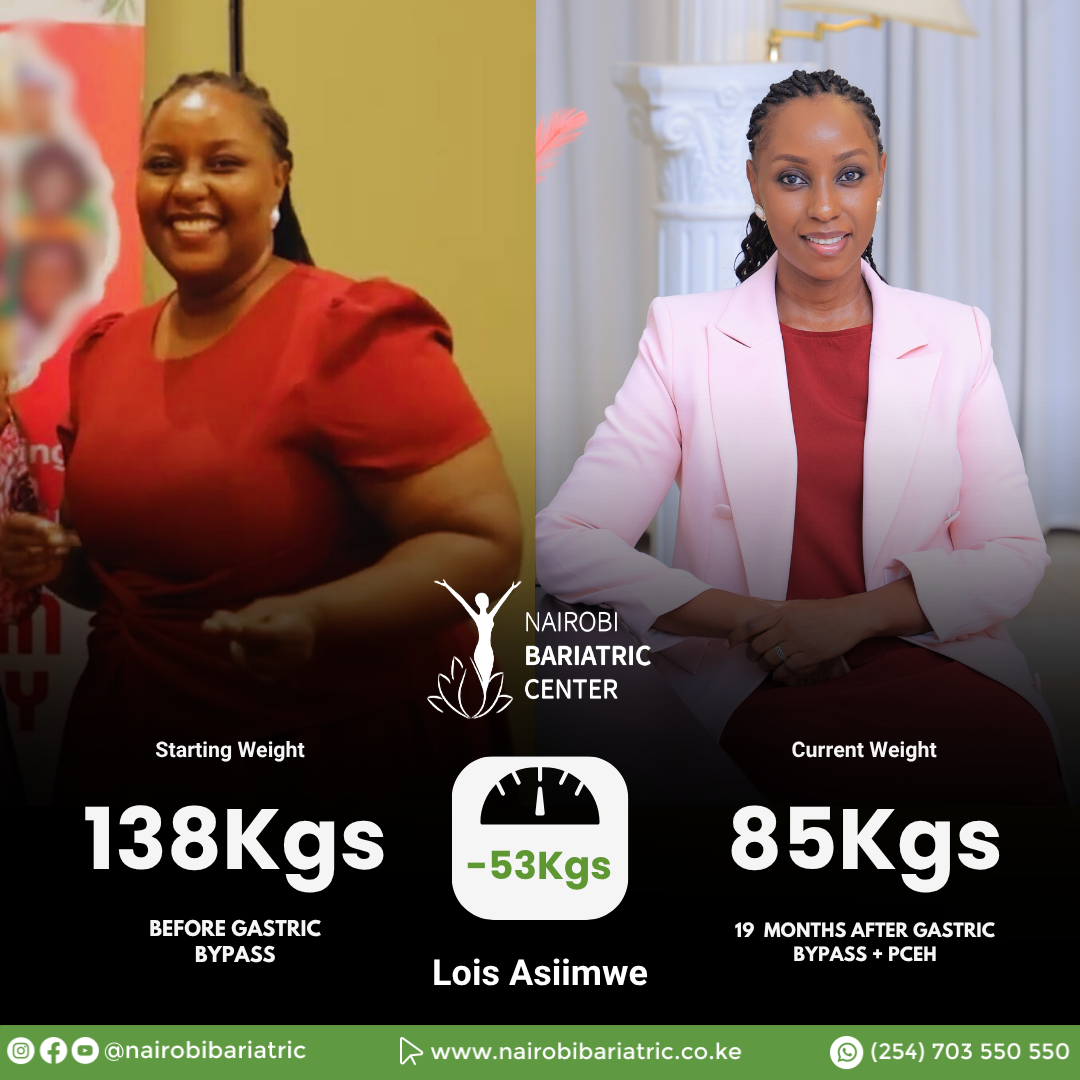
"My only regret is not doing this sooner! I had tried it all with no success. With the Gastric Bypass, after just 1 month I lost 14kgs and I am well on the journey to my ideal weight."
Gastric bypass, commonly known as Roux-en-Y gastric bypass , creates a small stomach pouch and connects it to a lower section of the small intestine. This reduces the amount of food you can eat and changes how food passes through the digestive system. It also affects appetite and metabolic pathways involved in weight regulation.
Gastric bypass works through several mechanisms:
• Creates a smaller stomach pouch
• Reduces food intake
• Changes appetite-related hormones
• Changes nutrient flow through the digestive system
• Produces metabolic changes that support weight loss
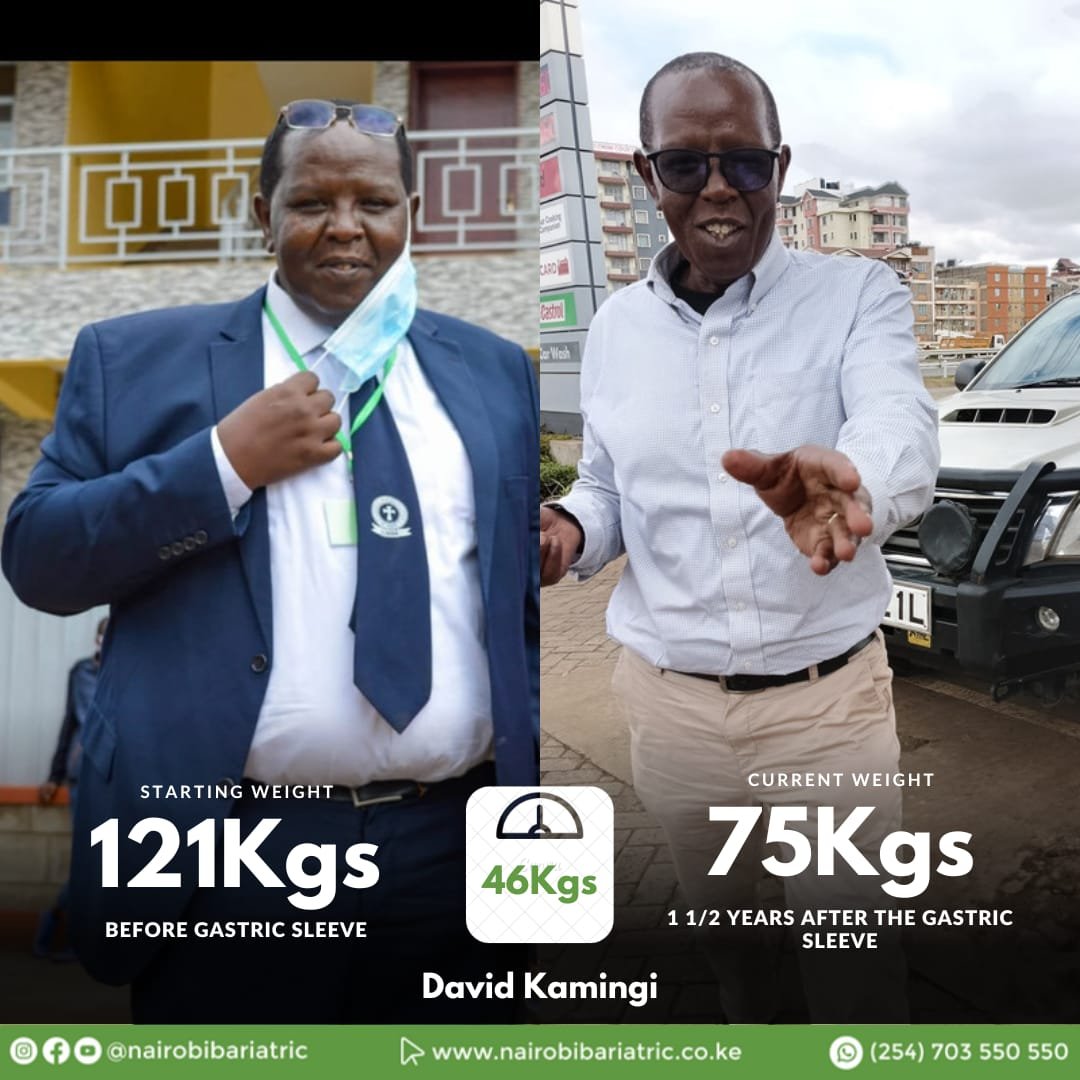
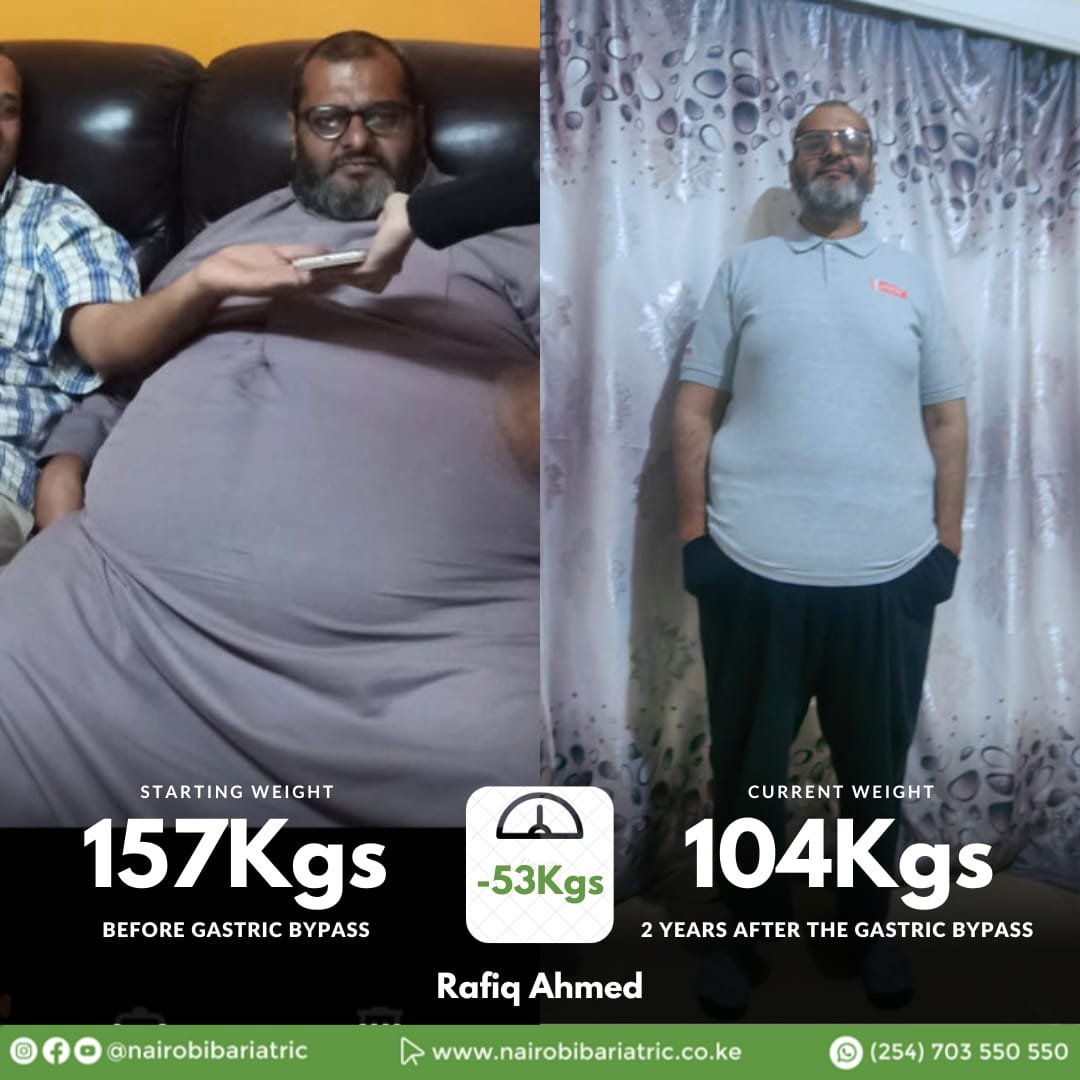
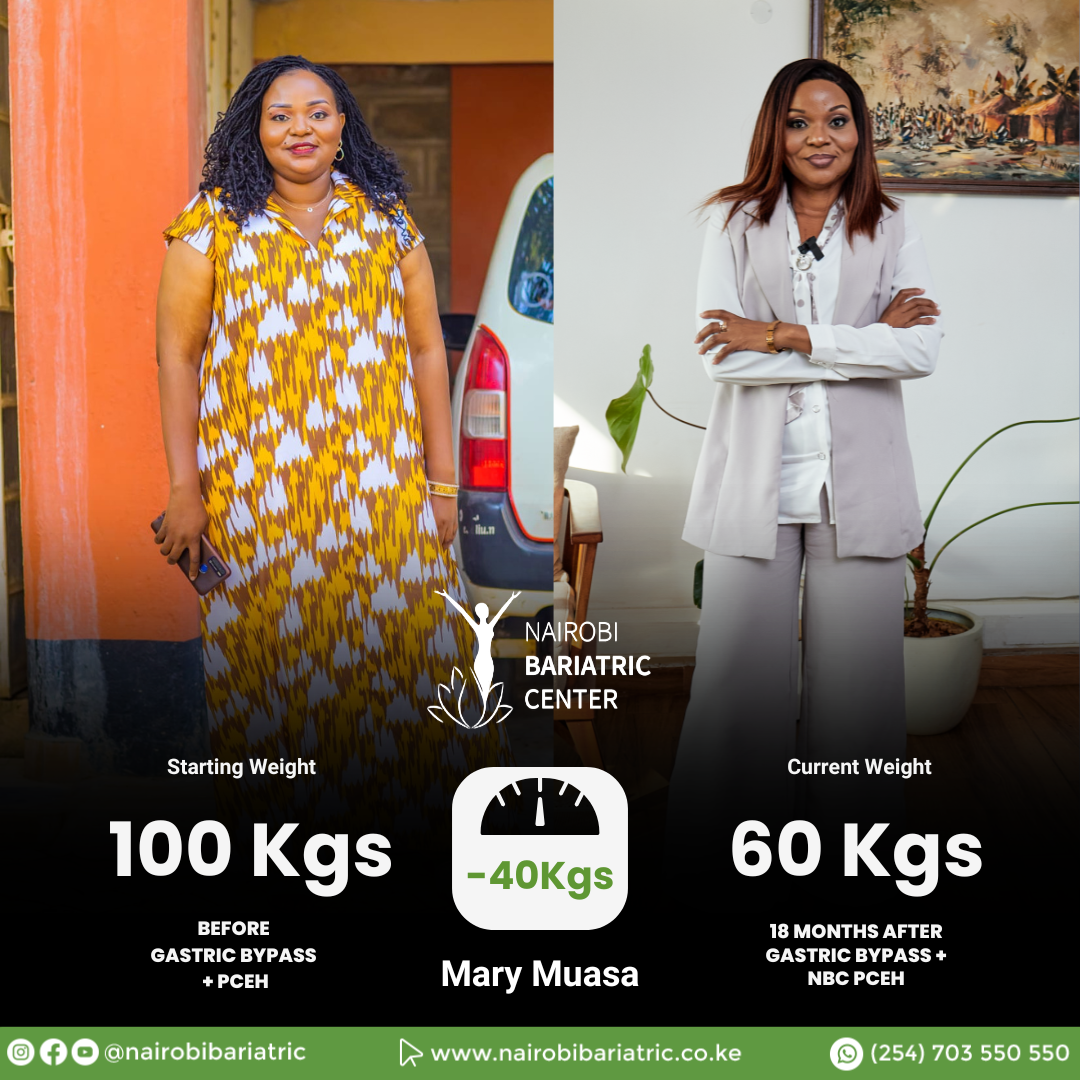
Gastric bypass can result in significant weight loss. The amount varies between patients and depends on factors such as starting weight, eating habits, activity, medical conditions, and long-term adherence to follow-up. Your doctor will discuss realistic expectations during your consultation.
Gastric bypass commonly takes around 2–3 hours , although the exact duration can vary depending on the patient and complexity of the procedure.
Our patients stay approximately 2–3 days after gastric bypass surgery. The exact length of admission depends on your recovery, mobility, and the surgeon's assessment to ensure your transition to oral liquids is smooth and safe.
Some discomfort is expected following surgery. Pain medication will be provided, and discomfort generally improves as your recovery progresses.
Recovery varies from person to person. You will gradually increase your activity over the first few weeks and should avoid heavy lifting and strenuous exercise until you have been cleared by your surgical team.
This depends on your recovery and your type of work. Patients with desk-based jobs or light duties often return to work in 1–2 weeks, while those with physically demanding jobs or heavy lifting may require 3–4 weeks. Your surgeon will advise you on when it is appropriate to return.
Your diet will progress gradually after surgery, beginning with liquids and progressing through soft foods before returning to solid foods. You will need to follow the nutrition plan provided by your bariatric team.
You will eventually be able to eat a variety of foods, but your portions will remain much smaller. You will need to eat slowly, chew well, prioritize protein, and avoid foods that cause discomfort or interfere with your nutritional goals.
Yes. Because gastric bypass changes nutrient absorption, lifelong supplementation and regular blood monitoring are particularly important. Supplements may include:
• Bariatric multivitamin
• Calcium
• Vitamin D
• Vitamin B12
• Iron
• Other vitamins or minerals depending on your blood results
Because part of the small intestine is bypassed, your body may absorb fewer nutrients from food. Without appropriate supplementation and monitoring, nutritional deficiencies can develop.
Dumping syndrome can occur after gastric bypass when food moves too quickly from the stomach pouch into the small intestine. Symptoms may include nausea, abdominal cramps, sweating, dizziness, rapid heartbeat, or diarrhea, particularly after certain meals. Following the recommended dietary guidelines can help reduce the risk.
Gastric bypass can be beneficial for some patients with significant reflux and may be considered when reflux is an important part of the patient's medical history. The surgeon will assess your symptoms and determine whether bypass is appropriate.
Potential risks include:
• Bleeding
• Infection
• Blood clots
• Leaks
• Ulcers
• Bowel obstruction
• Dumping syndrome
• Nutritional deficiencies
• Anesthesia-related complications
Your surgeon will discuss the risks specific to your situation.
Gastric bypass can technically be revised or reversed in certain circumstances, but reversal is a complex procedure and is not considered routine. It should therefore be considered a long-term surgical decision.
Yes, some weight regain can occur. Long-term follow-up, healthy eating habits, physical activity, and addressing behavioral or emotional eating are important for maintaining results. If you experience significant weight gain, speak to your bariatric team for assessment and support.
Yes. After significant weight loss, some patients have excess skin and may consider procedures such as tummy tuck, breast lift, arm lift, or thigh lift. Most surgeons recommend waiting until your weight has been stable for at least 6–12 months, which is usually 12–18 months post-op, and ensuring your nutritional status is fully optimized before proceeding.
Neither procedure is automatically better for everyone. Sleeve may be suitable for patients who would benefit from a procedure that does not involve intestinal bypass. Bypass may be particularly beneficial for selected patients with significant reflux or certain metabolic conditions. The surgeon will assess your individual health, goals, and medical history before recommending the most appropriate procedure. IMPORTANT NOTE This FAQ provides general information and does not replace an individual medical consultation. Every patient's weight, medical history, anatomy, nutritional needs, and goals are different. The appropriate procedure, investigations, supplements, recovery plan, and follow-up schedule will be determined by the medical team based on the individual patient.
To reserve a date for surgery, we ask our patients to transfer us a small deposit. The balance is paid at our clinic after your consultation with the surgeon. We accept payment in Kenya Shillings, Euros, Pounds and US Dollars, as well as debit and credit cards (Visa and MasterCard).
Some banks have specific policies about making transactions in foreign countries. If you plan on paying with your debit or credit card, please contact your bank to make any necessary adjustments, including increasing your payment card limit if necessary.
Transformation stories are dynamically synchronized from the central patient registry. To edit existing stories or add new patients, use the central Testimonials editor.
 Step 1
 Step 2
 Step 3
 Step 4
 Step 5
 Step 6