Gastric Bypass Surgery in Kenya
By NBC
Lose Up to 80% of Your Excess Weight with Gastric Bypass Surgery in Kenya.
Gastric bypass is a life-changing bariatric surgery that helps patients achieve significant long-term weight loss. At Nairobi Bariatric Centre, we perform laparoscopic Roux-en-Y gastric bypass – an advanced weight loss surgery in Nairobi designed to reduce how much you can eat and how many calories your body absorbs. In this procedure, the stomach is divided into a small upper pouch and the rest of the stomach is bypassed, so food goes directly into the small intestine. This makes you feel full sooner and absorb fewer calories, leading to dramatic weight loss. Our expert bariatric surgeons and comprehensive aftercare programme ensure you not only lose weight but keep it off for good.
Gastric bypass surgery in Kenya is a transformative procedure that has helped countless individuals regain control of their health and well-being.
Our experienced team has performed numerous successful gastric bypass surgeries, making gastric bypass surgery in Kenya a sought-after option for those struggling with obesity.
What is Gastric Bypass Surgery?
Before committing to gastric bypass surgery in Kenya, it’s vital to understand the procedure and its potential benefits for your health.
Choosing gastric bypass surgery in Kenya is an important step towards achieving your weight loss goals.
For many patients, gastric bypass surgery in Kenya is not just about weight loss – it’s about regaining health and improving overall quality of life.
Gastric bypass surgery (specifically the Roux-en-Y gastric bypass) is one of the most common and successful bariatric procedures worldwide. It works by physically altering your digestive system: the surgeon creates a small stomach pouch by stapling off a section of your stomach, then connects this pouch directly to the small intestine. The larger remaining portion of the stomach and part of the intestines are bypassed (they no longer receive food, but remain in place to secrete digestive juices). By making your stomach smaller, gastric bypass limits how much food you can eat at one time, helping you feel full on significantly less food. Additionally, bypassing a portion of the intestine means fewer calories and nutrients are absorbed from what you do eat. The procedure is typically done via minimally invasive laparoscopy, meaning the surgeon operates through small incisions with specialized instruments and a camera. This approach results in smaller scars, less pain, and faster recovery compared to open surgery. Gastric bypass surgery usually takes a few hours under general anaesthesia, and most patients stay in hospital about 2–3 days post-surgery for monitoring and initial recovery.
In summary, gastric bypass helps patients lose weight by:
- Creating a smaller stomach pouch so you feel full quickly and eat less.
- Bypassing part of the intestines to reduce calorie absorption.
- Causing hormonal changes that reduce appetite and improve metabolism (an added benefit that can improve diabetes control).
Benefits of Gastric Bypass Surgery
Many patients share their positive experiences after undergoing gastric bypass surgery in Kenya, highlighting the life-changing effects.
Post-operative support is critical for success, and our team provides ongoing resources after gastric bypass surgery in Kenya.
Gastric bypass is considered the “gold standard” of bariatric surgery for treating obesity, and for good reason – it offers numerous health benefits and often a new lease on life for patients struggling with their weight:
With gastric bypass surgery in Kenya, our patients often experience a significant reduction in obesity-related health issues.
The long-term success of gastric bypass surgery in Kenya is supported by our comprehensive follow-up care and patient education.
- Significant Long-Term Weight Loss: Patients typically lose 60–80% of their excess body weight on average within 12–18 months after a gastric bypass. For many, this can mean losing tens of kilogrammes and reaching a much healthier body size. This procedure has one of the highest weight loss outcomes among bariatric surgeries. In fact, Nairobi Bariatric Centre’s motto is “Lose up to 80% of Excess Weight,” and many of our patients achieve that goal or more.
- Improvement or Resolution of Health Conditions: Gastric bypass doesn’t just help you shed kilos – it often reverses obesity-related diseases. Many patients see their type 2 diabetes improve dramatically or even go into remission within weeks of surgery. Clinical studies have shown that gastric bypass resolved type 2 diabetes in up to 83% of patients and hypertension (high blood pressure) in about 69% of patients, along with improvements in sleep apnea, high cholesterol, joint pain, and more. By losing weight, you reduce strain on your heart, joints and organs, effectively reducing the risks of heart disease, stroke, arthritis and certain cancers.
- Increased Longevity and Quality of Life: Substantial weight loss can add years to your life. Patients often experience higher energy levels, improved mobility, and greater confidence after surgery. Simple activities like climbing stairs or fitting in aeroplane seats become easier. Many of our patients share that they can play with their children again, pursue hobbies, or advance their careers thanks to improved health and self-esteem.
- Lasting Weight Control: Unlike fad diets or short-term solutions, gastric bypass is a long-term weight loss solution. The procedure physically changes your digestive system, which helps enforce portion control and healthy eating for life. While it’s still possible to regain weight (especially if old habits return), our comprehensive follow-up (including nutritional guidance and support groups) helps you maintain your weight loss. Most patients manage to keep off the majority of the lost weight long-term, especially when following the post-surgery guidelines.
- Enhanced Fertility and Overall Wellbeing: For patients hoping to start a family, significant weight loss can improve fertility. Women who were previously infertile due to obesity-related hormonal imbalances (like PCOS) often find their menstrual cycles normalise and chances of conception improve after weight loss surgery. Moreover, many patients report better mood, reduced depression or anxiety, and improved relationships as their health and body image improve. Gastric bypass can truly transform not just your body, but your entire life.
The benefits of gastric bypass surgery in Kenya extend beyond weight loss, offering improvements in overall health.
Our commitment to excellence in gastric bypass surgery in Kenya ensures that you are well taken care of throughout your journey.
(Note: To maximise these benefits, surgery is combined with healthy lifestyle changes. Our team provides extensive education on diet, exercise, and behavioural adjustments to ensure you get the best results from your gastric bypass.)
Who Qualifies for Gastric Bypass Surgery?
Is gastric bypass right for you? Bariatric surgery is typically recommended for individuals who are clinically obese and have not had success with non-surgical weight loss methods. General medical guidelines suggest candidates should have:
- A body mass index (BMI) of 40 or higher (extreme obesity), or
- A BMI of 35 or higher if you have serious obesity-related health issues (such as type 2 diabetes, hypertension, severe sleep apnea, heart disease, etc.)
At Nairobi Bariatric Centre, we follow international criteria closely, with some tailored considerations for our patients. You may qualify for gastric bypass in Kenya if:
- You are a female patient with a BMI above 35, or a male patient with a BMI above 34.
- You have type 2 diabetes or serious obesity-related illness and a BMI above 30 (even if your BMI isn’t 35 yet, the presence of diabetes may make you a candidate due to the high benefit).
- You’ve tried other weight loss methods (diets, exercise, medication) without lasting success.
We understand that BMI doesn’t tell the whole story. If your BMI is slightly below these cut-offs but you have been heavier recently, we will consider your highest recent weight in evaluating you for surgery. For example, if you worked hard to lose some weight on your own but are still obese, you shouldn’t be penalised for that success – your previous BMI can be taken into account when determining eligibility.
At Nairobi Bariatric Centre, we are committed to providing exceptional care for those considering gastric bypass surgery in Kenya.
Our team specializes in gastric bypass surgery in Kenya, guiding you through every step of the process.
On the other end, no BMI is “too high” for weight loss surgery – we have operated on patients with very high BMI (50+). However, for patients with extreme obesity, our surgeons might request that you lose a bit of weight pre-operatively (through a medically supervised diet or a gastric balloon) to reduce surgical risk. This pre-surgery weight loss can shrink the liver and make surgery safer and more effective.
Before approving anyone for gastric bypass, our team conducts a thorough evaluation. This includes a review of your medical history, current health status, and sometimes additional tests. We also ensure you are mentally prepared for the lifestyle changes after surgery. Weight loss surgery isn’t a quick fix; it’s a tool that works when combined with commitment to healthy habits. If gastric bypass is not suitable for you, we will guide you toward alternative options such as our Gastric Balloon procedure or our Weight-Loss Psychotherapy Programme (a specialised course focusing on the psychological aspects of eating habits).
(Tip: Unsure if you meet the criteria? Use our online BMI Calculator to check your BMI, and schedule a consultation for personalised advice.)
Our 6-Step Gastric Bypass Process
By choosing gastric bypass surgery in Kenya, you are investing in your health and well-being for years to come.
At Nairobi Bariatric Centre, we pride ourselves on offering a comprehensive, patient-centric process for gastric bypass surgery – from your first visit to years after surgery. Here’s what you can expect on your journey with us:
If you’re considering gastric bypass surgery in Kenya, we encourage you to reach out for more information about your options.
Step 1: Meet the Doctor
Your journey begins with an initial consultation. You will meet our bariatric specialist who will examine you and review your health history. During this appointment, the doctor will discuss your weight loss struggles and goals, and determine if gastric bypass (or another weight loss method) is the most effective option for your condition. We believe in honest, personalised guidance – if a different approach (like a gastric sleeve or non-surgical therapy) would suit you better, we will advise accordingly. If you are a suitable candidate and decide to proceed, we move on to the next steps.
Understanding the risks and benefits of gastric bypass surgery in Kenya is essential for making informed decisions about your health.
Step 2: Schedule Necessary Tests
Before surgery, you’ll undergo a series of pre-operative tests. These may include blood tests, imaging (like an ultrasound or chest X-ray), and other diagnostics to assess your overall health. One important test we typically perform is a gastroscopy (endoscopy) – a quick camera examination of your stomach. This is done to check for any issues such as a hiatal hernia or ulcers. (If we find a minor problem like a hernia, our surgeons can repair it during the gastric bypass procedure) We may also have you meet with our nutritionist and psychologist for pre-surgery evaluation and preparation. These tests and consultations ensure you’re medically and mentally ready for surgery, and help minimise any risks.
Step 3: Prepare for Surgery & Scheduling
Once your tests are done and you’re cleared for the operation, we will schedule the surgery date at a reputable Nairobi hospital (or our surgical facility). Our team will guide you through pre-surgery preparations. This often includes adopting a special liver-shrinking diet 1–2 weeks before surgery (to make the procedure safer and easier) and stopping certain medications if needed. You’ll receive full instructions on how to prepare, what to pack for the hospital, and what to expect during admission. We handle all the logistics of booking the operating theatre, coordinating with the anaesthetist, and arranging your hospital stay. At this stage, you’ll also be given a cost breakdown and payment plan so you know exactly what is covered (see the Cost section below for our package details).
Step 4: Specialist Surgeon Consultation
Nairobi Bariatric Centre partners with some of the world’s leading bariatric surgeons. In many cases, our chief surgeon or an internationally renowned visiting surgeon (such as Dr. Patrick Noel or Dr. Vladimir Shchukin) will conduct a one-on-one consultation with you prior to the operation. This might be an online video consultation if the surgeon is overseas, or in-person if available locally. During this meeting, the surgeon will explain the procedure in detail, answer any last-minute questions, and ensure you are comfortable and confident. You’ll discuss the surgical plan, anesthesia, and sign consent forms. We want you to head into surgery feeling informed and reassured that you have a world-class expert performing your gastric bypass.
Step 5: Day of Surgery – The Gastric Bypass Procedure
On the day of surgery, you’ll be admitted to the hospital and prepared for the operation. Gastric bypass is performed under general anaesthesia (you’ll be fully asleep and feel no pain). The surgery is done laparoscopically, meaning the surgeon makes 4-6 small incisions on your abdomen to insert a camera and instruments. The procedure itself takes about 2–3 hours. During surgery, our surgeon will create the small stomach pouch and reroute the intestines as described earlier. Safety is our top priority – the surgical team will closely monitor you throughout. After surgery, you will wake up in the recovery room and then be moved to your ward. Most of our gastric bypass patients spend 2 to 3 days in the hospital. You’ll have professional nursing care during this time to manage pain (though laparoscopic techniques minimise pain, you will have some soreness), monitor your vitals, and help you start sipping liquids. By the time of discharge (usually after 2 nights), most patients are comfortable, able to walk around, and are starting on a liquid diet as advised.
Step 6: Follow-Up and Ongoing Support
Our care for you does not end at discharge – in fact, it’s just beginning. We have a structured follow-up programme to ensure your recovery and weight loss stay on track. In the first year after your gastric bypass, we will see you monthly for check-ins. These follow-up appointments (either in-person at our Nairobi clinic or via telehealth for distant patients) allow us to monitor your weight loss progress, nutrition, and overall health. You’ll meet with our dietitian regularly to transition your diet from liquids to purees to solid foods, and to learn healthy eating habits for your smaller stomach. Our psychologist or support group is available to help with emotional adjustment and motivation. After the first year, we recommend annual check-ups for up to 5 years. This long-term follow-up helps ensure you maintain your weight loss and promptly address any issues (like nutritional deficiencies or questions about pregnancy, etc.). We are your partners in this journey – whenever you need advice or encouragement, our team is just a phone call away.
(Along with medical follow-ups, we encourage patients to join our Patient Support Group and read our testimonials to stay inspired. You are joining a family of people who have taken back their health!)
Recovery and Life After Gastric Bypass
Undergoing gastric bypass is the start of a new chapter in your life. Here’s what to expect in terms of recovery and post-surgery life:
Hospital Recovery (Days 1-3): As mentioned, you’ll be in the hospital for a couple of days. Initially, you may experience some soreness and fatigue. Our medical staff will manage any pain and help you get up and walking as soon as possible – gentle movement is important to prevent blood clots and speed healing. You will start with sips of water and clear liquids. By the time you leave the hospital, most patients are tolerating liquid broth, water, and protein drinks in small amounts.
First 2 Weeks Post-Op: You’ll be on a strictly liquid diet for about 1 week, then progress to pureed/blended foods for the next 1-2 weeks. This gives your new stomach connection time to heal. It’s crucial to stay hydrated and follow the diet plan given by our dietitian. You’ll also be advised to avoid heavy lifting or strenuous activity during the initial weeks. Most patients can resume light daily activities within a week and return to office work in about 2 weeks (provided your job isn’t very physically demanding). We will schedule your first clinic follow-up around 7-10 days after surgery to check your wounds and overall progress.
1 to 3 Months Post-Op: You’ll transition onto soft then solid foods gradually, with guidance from our nutrition team. At this point, you’ll notice rapid weight loss – often several kilograms per month. It’s an exciting time, but it’s also an adjustment period. You’ll learn how to eat small portions slowly, and to stop eating as soon as you feel full (overeating after a bypass can cause discomfort or vomiting). Some patients experience “dumping syndrome” if they consume sugary or high-fat foods – symptoms like dizziness, nausea, or sweating shortly after eating (due to rapid gastric emptying). This is unpleasant but avoidable by following the recommended diet and usually improves over time. By 3 months, many patients have lost 20-30% of their excess weight, feel much lighter and more energetic, and have settled into a new healthy eating routine.
Ultimately, gastric bypass surgery in Kenya can lead to a healthier, happier future filled with new opportunities.
6 to 12 Months Post-Op: The first year is when you’ll lose the most weight. You can expect to lose about half to two-thirds of your excess weight in 6 months, and up to 70-80% of excess weight by 12 months after surgery, if you stick to the guidelines. Regular exercise can usually begin by 6 weeks post-op (once cleared by the doctor) – starting with low-impact activities and gradually increasing intensity. By 6 months, most patients are eating a normal (but healthy) diet in small portions. You will need to take daily vitamin and mineral supplements (such as multivitamin, B12, calcium, iron, etc.) because gastric bypass can reduce absorption of certain nutrients. We provide a detailed supplementation plan to prevent deficiencies. It’s very important to attend your follow-up visits during this period so we can monitor your nutrition and health labs.
We believe that everyone deserves a chance to achieve their weight loss goals through gastric bypass surgery in Kenya.
1+ Year and Long-Term: After 1 year, your weight loss will slow down and stabilise. Many patients reach their lowest weight around 12-18 months post-op. From that point on, the goal is maintenance. We continue to see you annually (or more often if needed) to ensure you’re doing well. Life after gastric bypass will include a lifelong commitment to healthy eating and an active lifestyle – but by this time, patients usually find these habits come much more naturally. Your smaller stomach means large meals are a thing of the past; you’ll be satisfied with modest portions. Most people can eventually enjoy a wide variety of foods (with occasional treats) as long as they focus on protein and nutrient-rich choices first. You’ll also need periodic blood tests to ensure you’re not developing any vitamin deficiencies (if so, supplements or dietary tweaks will be adjusted).
Support and Resources: We don’t just perform the surgery and leave you on your own. Nairobi Bariatric Centre offers ongoing support including nutritional counselling, exercise guidance, psychological support, and support group meetings. If you ever struggle or notice weight regain, we encourage you to reach out immediately – we’re here to help you get back on track. Some patients opt for additional procedures later (like plastic surgery to remove excess skin, once they’ve kept weight off for 1-2 years). We can refer you to excellent plastic surgeons in Nairobi for things like tummy tucks if desired.
Overall, recovery from gastric bypass is a journey of its own – but one that leads to dramatic health improvements. By one year post-op, many of our patients are virtually “new” people: off many of their medications, more active than they’ve been in decades, and confidently enjoying life. We’ll make sure you have all the tools and knowledge to make your journey a success.
Gastric Bypass Surgery Cost in Kenya
At Nairobi Bariatric Centre, we believe in transparent pricing with no hidden costs. The gastric bypass surgery package is KSh 829,000. This comprehensive package includes:
- Consultation with the Surgeon and Anaesthesiologist (pre-surgery appointments).
- The Gastric Bypass surgery itself (laparoscopic Roux-en-Y procedure).
- Anaesthesia fees (medications and monitoring by an anaesthesia specialist during surgery).
- Hospital stay for 2 days with 24-hour medical care in a semi-private room.
- Pre- and Post-bariatric surgery diet plans (personalised meal plans for before and after surgery, provided by our dietitian).
- Free dietetic follow-up for 5 years – you will have regular check-ins with our dietitian at no extra cost to monitor nutrition and weight maintenance.
Book Now – Start Your Weight Loss Journey! At the listed price, gastric bypass is a valuable investment in your health and happiness. We offer guidance on financing options if needed, and you can secure your surgery date with a deposit (with the balance payable closer to the surgery). (Please note that we accept payments by bank transfer (RTGS), cheque, MPESA or cash. We currently do not accept credit card payments, so plan accordingly for the payment deadlines.) If you have insurance, check with your provider if bariatric surgery is covered – we can provide medical reports to assist in reimbursement if applicable.
(Prices are subject to change, but we will always inform you upfront. Reach out to us for the most current pricing or any special offers. We strive to keep our bariatric surgery costs in Kenya competitive while maintaining world-class medical standards.)
Gastric Bypass vs. Other Weight Loss Options
Gastric bypass surgery in Kenya leads to significant improvements in health and well-being for many individuals.
Gastric bypass is one of several weight loss solutions in Kenya offered at our centre. Here’s how it compares to other bariatric procedures and non-surgical options:
- Gastric Bypass vs. Gastric Sleeve: Both are surgical weight loss procedures with similar eligibility criteria. In a gastric sleeve (sleeve gastrectomy), about 75% of the stomach is removed, leaving a banana-shaped smaller stomach but no changes to the intestines. Gastric sleeve is slightly less complex surgically and avoids the malabsorption issue; however, gastric bypass generally results in slightly higher average weight loss and better metabolic effects (important for diabetes resolution). Gastric bypass may be preferable for patients with severe acid reflux (since sleeve can worsen reflux) or those with obesity-related diabetes that needs a more drastic intervention. On the other hand, the sleeve might be suitable for slightly lower BMI patients or those who want to avoid the intestine rerouting. We offer both procedures and will recommend the best option based on your health profile. In Kenya, gastric sleeve surgery costs roughly the same as bypass (around KSh 850,000), and our team is experienced in both.
- Gastric Bypass vs. Gastric Balloon: The gastric balloon is a non-surgical option where a soft silicone balloon is endoscopically placed into the stomach and filled with saline. It stays in the stomach for 6 months, making you feel full faster. The balloon is ideal for patients who need to lose a moderate amount of weight (BMI typically 27–35) or those who are not eligible or ready for surgery. Unlike bypass, the balloon is temporary and usually results in more modest weight loss (on average 10-15% of body weight). The balloon procedure in Kenya costs about KSh 350,000. We sometimes use the balloon as a first step for very obese patients to reduce weight before a definitive surgery, or as an option for those who prefer to avoid surgery. While the gastric bypass permanently changes your anatomy, the balloon is reversible (removed via endoscopy) but also requires strong commitment to diet changes to maintain weight after it’s removed.
- Gastric Bypass vs. Lifestyle & Medication: For patients with milder obesity or those who absolutely want to avoid medical procedures, we offer a Medical Weight Loss Programme, including nutritional counselling, exercise guidance, and psychological support (our Psychological Correction of Eating Habits therapy). Additionally, new weight loss medications (like Ozempic injections for weight loss) are becoming available and can help some patients lose weight without surgery. However, for individuals with very high BMI or long-term obesity, these methods usually cannot achieve the magnitude or durability of weight loss that surgery can. Bariatric surgery remains the most effective treatment for severe obesity, especially when health conditions need to be improved quickly. Often, it’s not an “either-or” – surgery plus lifestyle changes (and occasionally medication) together give the best outcome. Our team can also help patients who underwent surgery continue with healthy lifestyle coaching for lifelong success.
- Mini Gastric Bypass: You may have heard of the “mini bypass” (one anastomosis gastric bypass). This is a variation of gastric bypass with a slightly different technique (simpler and slightly shorter operating time). We do evaluate patients for mini-bypass in select cases. It offers similar weight loss results to the standard Roux-en-Y gastric bypass. If the mini bypass is appropriate for you, our surgeon will discuss it as an option. Both types are performed laparoscopically.
In summary, we offer a range of weight loss solutions – surgical and non-surgical. During your consultation, we will explain each option. Our goal is to match you with the approach that best fits your health needs, weight loss goals, and personal preferences. Whether it’s a gastric bypass in Nairobi, a gastric sleeve, a gastric balloon, or a structured medical programme, you can trust that Nairobi Bariatric Centre will provide safe and effective care. (For more details on all procedures, see our Weight Loss in Kenya – Guide to Options page.)
Success Stories and Patient Testimonials
Nothing inspires us more than seeing our patients reclaim their lives through weight loss surgery. Here are just a few success stories from individuals who chose Nairobi Bariatric Centre for their gastric bypass journey:
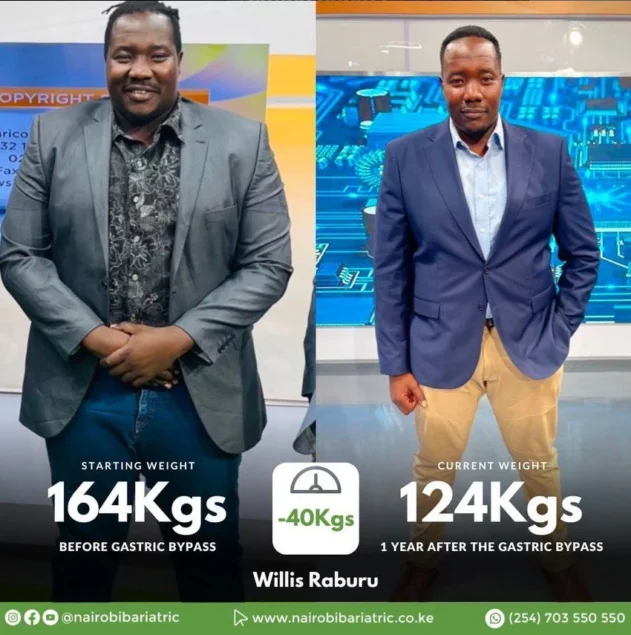
Willis Raburu – Media Personality: One of our most well-known success stories is Kenyan media personality Willis Raburu, who underwent gastric bypass with our team. Willis struggled with obesity and had “tried it all with no success.” After finally choosing bariatric surgery, he says, “My only regret is not doing this sooner!” In just one month post-surgery, Willis lost 14 kg and continues to shed weight on his journey to a healthy goal. He’s been very public about how this surgery changed his life, inspiring others to take control of their health.
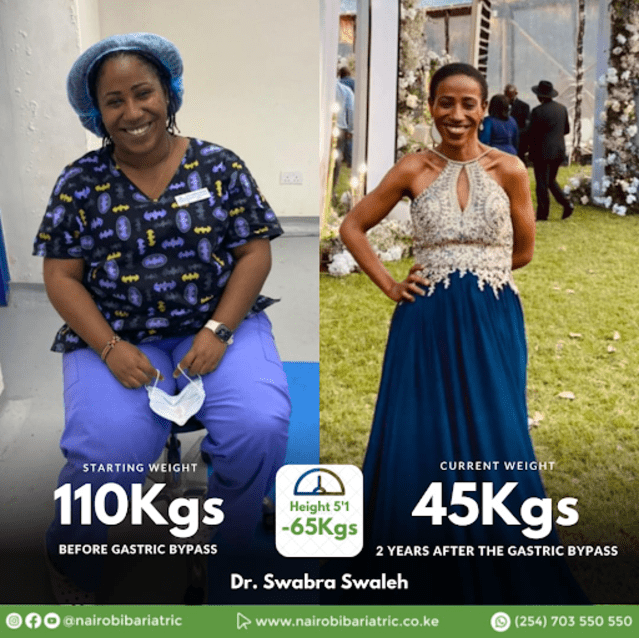
Dr. Swaleh Swabra – Remarkable Transformation: Dr. Swaleh Swabra achieved a dramatic 70 kg weight loss, dropping from 115 kg to 45 kg after her gastric bypass. she says the experience “feels like a new beginning,” reflecting the life-changing impact of the surgery on his energy, confidence, and overall health.
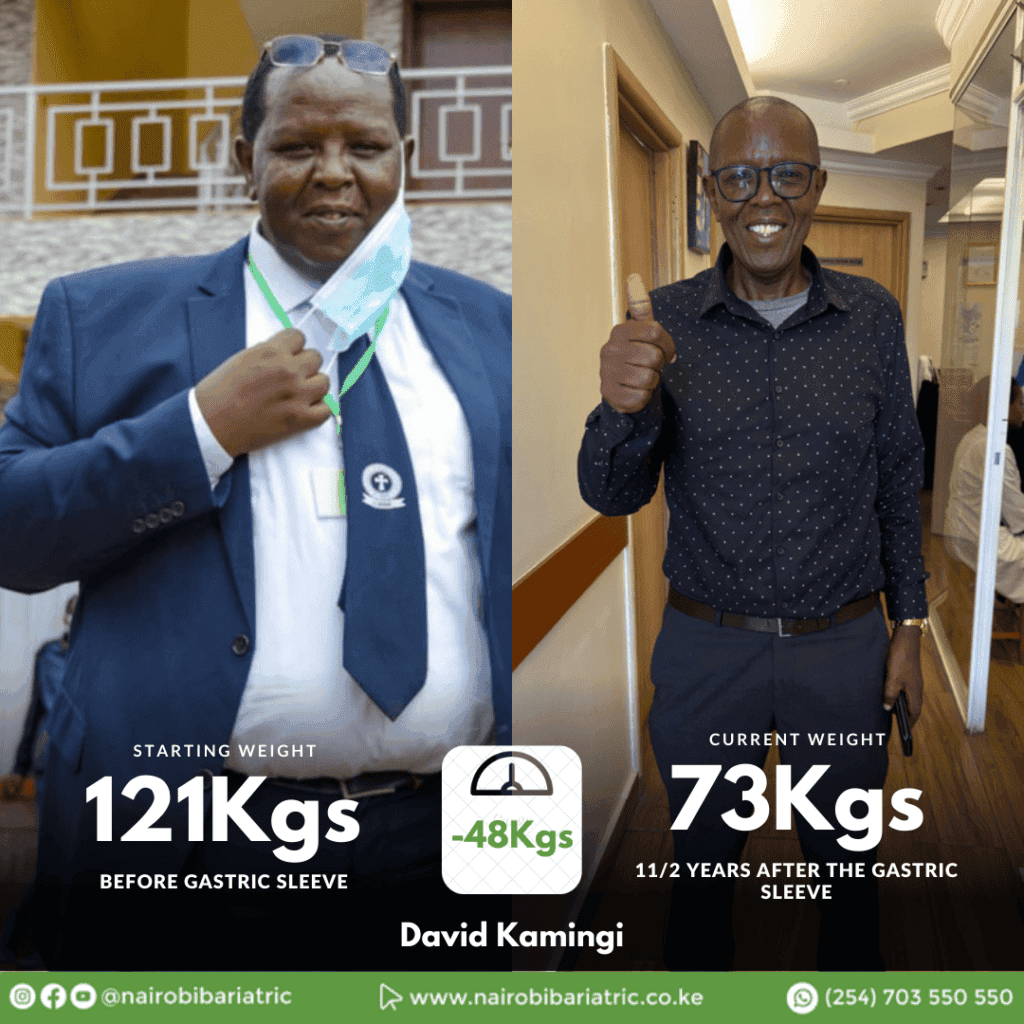
Eng. David Kamingi – A New Life: Engineering professional David Kamingi rediscovered his vitality post-surgery. Around five months after surgery, his energy surged, enabling him to resume active daily life effortlessly. He reports improved mobility, renewed energy, and confidence that continue to propel him forward.

Rafiq Ahmed – 53 kg Lost in 2 Years: Rafiq’s journey is truly inspiring. Starting at 170 kg with obesity-related asthma and high blood pressure, he decided to undergo gastric bypass “for my family and for me.” By the day of surgery, he was 151 kg (after some pre-surgery prep). Just 2 months after surgery, he lost 21 kg. With dedication to the programme (including regular follow-ups and psychotherapy for eating habits), Rafiq lost 44 kg in 8 months and an amazing 53 kg in 2 years, bringing him to under 120 kg. He says, “I will never regret this decision… how can I regret when I am growing younger and younger? Now I can walk up the stairs. I used to be on so many pressure medications and now it’s all gone.” Rafiq’s health issues dramatically improved – he no longer needs blood pressure pills and his asthma is far better under control. His story shows the life-changing power of this surgery and the importance of aftercare (he credits sticking to his nutritionist’s and doctor’s instructions, plus the addition of psychotherapy support, for his fantastic outcome).
These are just a handful of the success stories we have witnessed. You can read more patient testimonials on our website or speak to our team to learn about others who have taken this step. We understand that choosing surgery is a big decision – hearing from people who’ve been in your shoes can help. Our patients often say their only regret is not doing it sooner, and that is a sentiment we hope you’ll share in the near future!
(If you’re a past patient reading this – thank you for inspiring others! If you’re a new patient, we look forward to making your success story the next one featured here.)
Frequently Asked Questions (FAQs)
How much weight can I lose after gastric bypass surgery?
Q: How much weight will I lose, and how fast?
A: While individual results vary, gastric bypass is one of the most effective weight loss surgeries in terms of results. On average, patients lose about 60–80% of their excess body weight within 12-18 months after surgery. “Excess body weight” is the amount of weight above the healthy BMI range. For example, if you are 45 kg overweight, you might expect to lose around 27–36 kg after bypass; if you are 100 kg overweight, you might lose around 60–80 kg over time. Some patients even reach a normal BMI, losing 100% of their excess weight, though this isn’t guaranteed for everyone. Here’s a typical timeline:
- By 1 month post-op: Many patients lose 5–10 kg (depending on your starting weight; heavier patients tend to drop more initially). This rapid loss is due to the liquid diet and reduced intake.
- By 3 months: You may lose 15–20% of your starting weight.
- By 6 months: It’s common to have lost 30–50% of excess weight, which might be 20–40+ kg gone. Patients often see clothing sizes plummet at this stage!
- By 12 months: Most gastric bypass patients have lost 60–80% of their excess weight. For instance, if you started at 130 kg and your target healthy weight is 70 kg (excess weight 60 kg), you might have lost around 40–50 kg and now weigh ~80–90 kg at one year out.
- Long-term: With commitment, you can maintain the weight loss or even lose a bit more in the second year. By 2 years, some patients do reach that 80%–100% excess weight loss range. After that, weight stabilises. A small number of patients might experience some regain (often 5-10% of weight back) years later, but this is usually manageable with lifestyle adjustments and support.
Keep in mind these numbers can be higher or lower depending on the person. Factors that influence weight loss include your starting weight, age, gender, how well you stick to dietary guidelines, and your activity level. We will track your progress in follow-ups; if weight loss is slower than expected, our team will help investigate why and get you back on track. Notably, gastric bypass also leads to rapid health improvements – often before all the weight is lost. For example, many patients see blood sugar and blood pressure normalize just weeks or months after surgery, even though they are still above their goal weight.
(Remember: Weight loss is not instant, but it is steady. Celebrate NSVs (“non-scale victories”) like improved stamina or fitting into smaller clothes along the way. The journey is as important as the destination!)
What are the risks or complications of gastric bypass surgery?
Understanding the various weight loss options, including gastric bypass surgery in Kenya, is crucial for making informed choices.
Q: Is gastric bypass safe? What are the potential risks or side effects?
A: Gastric bypass is a major surgery, and like any surgery, it carries some risks. However, it is performed by experienced surgeons at our centre with a very good safety record. We will ensure you are medically fit before surgery to minimise risks. Potential complications or side effects include:
Gastric bypass surgery in Kenya not only helps with weight management but also supports long-term lifestyle changes.
- Surgical risks: These include bleeding during or after surgery, infection of the incisions, or adverse reactions to anaesthesia. Blood clots in the legs (DVT) can occur after any surgery, which is why we get you moving early and may use blood thinners temporarily. Our surgical team takes careful precautions to prevent these issues.
- Leaks at the staple line: After a gastric bypass, there are new connections (anastomoses) between the stomach and intestine. In rare cases (well under 5% of patients), a leak can occur at one of these staple lines, which can lead to a serious infection in the abdomen (peritonitis). We test for leaks during surgery and closely monitor you after surgery for any signs. If a leak occurs, it might require a second procedure to fix and antibiotics to treat infection. Fortunately, this complication is uncommon.
- Nutritional deficiencies: Because the surgery causes malabsorption of some nutrients (and your intake is much smaller), you can develop deficiencies in vitamins or minerals like B12, iron, calcium, or folate. You will be on lifelong vitamin supplements and have regular blood tests to check your level. As long as you take your supplements and eat a balanced diet, serious malnutrition is unlikely. Protein deficiency can occur if you do not consume enough protein – we will teach you how to prioritize protein in your meals (e.g., eggs, fish, chicken, legumes) to avoid this. Hair thinning can happen in the first 6 months (due to rapid weight loss and sometimes low protein), but this is usually temporary and improves with proper nutrition.
- Dumping syndrome: As mentioned earlier, eating sugary or high-fat foods can result in “dumping,” where food moves too quickly into the small intestine causing symptoms like nausea, abdominal cramping, dizziness, racing heart, or diarrhoea. About 85% of gastric bypass patients experience dumping syndrome to some degree. It’s not harmful in the long run and actually “trains” many patients to avoid sweets. Following the recommended diet (low in simple sugars) will largely prevent these symptoms.
- Stomal stenosis: In a few cases, the new connection between the stomach pouch and intestine can heal with scar tissue and cause a narrowing (stricture). This might make it hard to eat solid foods (you’d experience vomiting or difficulty swallowing after a few bites). If this occurs, it’s usually easily fixable with an outpatient endoscopic procedure to stretch the opening (called an endoscopic dilation).
- Gallstones: Rapid weight loss can sometimes lead to gallstone formation. Some patients might require treatment for gallstones later or, in certain cases, the surgeon may remove the gallbladder during bypass if deemed necessary. We often prescribe a medication (ursodiol) for 6 months post-op to reduce gallstone risk.
- Other considerations: After bypass, a small percentage of patients may develop ulcers at the connection (especially if they take NSAID painkillers or smoke – both of which should be avoided). There’s also a risk of hernias at incision sites or internally; again, these are not very common and can be repaired if they occur. Psychologically, a few patients experience challenges adjusting to the new eating habits or coping with emotions without turning to food – which is why our psychological support is important. We screen and support you to minimise this risk.
It’s worth noting that in experienced hands, the overall risk of serious complications is low – generally the benefits outweigh the risks for those suffering from morbid obesity. In fact, the risk of staying obese (with ongoing diabetes, heart disease, etc.) is often higher than the risk of surgery. We will explain all potential risks in detail during your consultation and provide you with guidelines to make your surgery as safe as possible.
What if my BMI is too low to be considered for weight loss surgery?
Q: I’m overweight but not sure if I’m “obese enough” for surgery. What if my BMI isn’t high enough?
A: If your BMI is below 30, you typically would not be a candidate for gastric bypass or other bariatric surgery – these surgeries are intended for obesity, not just overweight. However, we understand that even people with BMI in the high 20s can be very distressed about their weight and health. If you feel you’ve tried everything and nothing works, we do have alternative options for patients who don’t meet the surgical BMI criteria:
- Psychological Correction of Eating Habits: We offer a unique programme – essentially a specialised psychotherapy and coaching course – to address the root causes of overeating and weight gain. This programme delves into your psychological triggers, habits, and lifestyle, helping you reform your relationship with food. It’s an intensive behavioural therapy approach that has helped many patients lose weight without surgery, especially those with BMI in the 25–30 range who may “eat their way” to obesity due to emotional or psychological factors. Improving your mindset and habits can sometimes jump-start weight loss where diets failed.
- Gastric Balloon Procedure: The gastric balloon is a popular non-surgical weight loss procedure for people who are overweight or mildly obese (generally BMI 27–35). A deflated soft balloon is inserted through your mouth (endoscopically) into your stomach, then filled with sterile saline to expand. The balloon takes up space in your stomach, so you feel full faster and eat much smaller portions. It stays in place for 6 months, during which time patients can lose 10-15% of their body weight or more if they follow the diet plan. The balloon is then removed. This can be an excellent option if you need to lose, say, 10–25 kg. It doesn’t require any incisions or hospital stay (it’s usually an outpatient procedure). We often recommend the balloon for individuals whose BMI is not high enough for surgery or for those who want to avoid surgery. It can also “bridge the gap” for someone who might qualify for surgery if they gained a bit more weight – better to do the balloon now than wait to become sicker. (See our Gastric Balloon Kenya page for details.)
- Medical weight loss medications: In some cases, newer prescription weight loss medications (like Ozempic or others in the GLP-1 agonist class) can be used for patients who aren’t surgery candidates. These can help reduce appetite and lead to moderate weight loss. Our doctors can evaluate and prescribe these if appropriate, usually as part of a broader programme including diet changes.
In summary, a lower BMI doesn’t mean you’re out of options. We have non-surgical therapies to help you lose weight safely. If your BMI is under the surgery threshold but you’re concerned about your weight, come talk to us – we’ll tailor a plan for you. And remember, if you previously had a much higher BMI and have reduced it below 30 through effort, that previous BMI can be considered if you’re aiming for surgery approval. We’re here to support anyone on the spectrum from overweight to obese in achieving a healthier weight.
What should I do if my BMI is very high (over 50)?
Gastric bypass surgery in Kenya is a safe and effective way to achieve significant weight loss and improve health.
Q: My BMI is extremely high (50+). Can I still get surgery, and do I need to lose weight first?
A: Yes, patients with morbid obesity (BMI 50, 60 or even higher) can absolutely undergo weight loss surgery – in fact, they are often the ones who benefit the most. As we often say, no BMI is “too high” for us to consider weight loss surgery. However, there are special considerations for very high-BMI patients:
By choosing gastric bypass surgery in Kenya, you are choosing to reclaim your life and improve your health.
- Our surgical team might request that you lose a certain amount of weight pre-operatively. This is primarily for your safety. Losing even 5–10% of your excess weight (through a strict diet or a gastric balloon) before surgery can shrink your liver and reduce fat around the organs, which makes the laparoscopic surgery easier and safer. For example, if your BMI is 55, the surgeon might put you on a supervised diet to lose ~10 kg in the weeks before surgery. This is not to deny you surgery, but to ensure when we do operate, the risk of complications is as low as possible.
- In some cases of extremely high BMI, we might stage the treatment (two steps). Step 1 could be a gastric balloon or a simpler surgery like a sleeve gastrectomy to kick-start weight loss. Step 2 (after significant weight loss) would be the full gastric bypass or duodenal switch if needed. This two-stage approach is less common but can be used for super-obese patients to improve outcomes. Our team will assess if a staged plan is beneficial or if we can proceed with gastric bypass directly.
- We will perform a thorough medical evaluation (cardiac, pulmonary, etc.) for high-BMI patients. Sometimes, very obese patients have obesity hypoventilation or weaker hearts/lungs, so we may involve other specialists (cardiologist, pulmonologist) to optimise your condition before surgery. If you have to lose weight first, we’ll guide you with a high-protein very-low-calorie diet or other interventions.
With the right support, gastric bypass surgery in Kenya can lead to lasting change and a healthier future.
The main goal is to help you achieve a healthy weight and we will not turn you away due to a high BMI. It might require a bit more preparation, but rest assured, we have successfully treated patients over 200+ kg. After surgery, those patients often lose enormous amounts of weight and resolve many health issues. We’re committed to working with you no matter how high the starting point is.
Many patients find that gastric bypass surgery in Kenya leads to enhanced quality of life and longevity.
(Fun fact: one of our patients started at BMI 60 and lost so much weight after her gastric bypass that she literally lost count of how many dress sizes down she went! These transformations are truly remarkable.)
Why should I undergo a gastroscopy before gastric bypass surgery?
Q: The doctor recommended an endoscopy (gastroscopy) before my bypass. Why is this needed?
A: A gastroscopy is a quick outpatient procedure where a thin flexible camera is passed through your mouth into your stomach (under sedation, so you won’t feel discomfort). We often perform a gastroscopy as part of the pre-surgery workup to ensure there are no unseen problems in your upper GI tract. The main reason is to check for a hiatal hernia or any abnormalities in the stomach/oesophagus:
- A hiatal hernia is when part of the stomach pushes up through the diaphragm into the chest cavity. Small hiatal hernias are fairly common in obese patients and can contribute to acid reflux. If you have one, it’s important for us to know. During your gastric bypass surgery, if a hernia is present, the surgeon can repair it at the same time. This prevents potential issues with reflux after surgery. Gastric bypass itself usually relieves reflux symptoms (in fact, it’s often recommended for patients with GERD), but if there’s a physical hernia it should be fixed to optimise the outcome.
- The scope also checks for ulcers, inflammation, or polyps in the stomach and first part of the small intestine. If we find an ulcer, we may treat it with medication and possibly delay surgery until it’s healed, because performing bypass on an active ulcer could increase complication risk. If we find something like H. pylori infection (a bacteria that causes ulcers), we will treat that before surgery as well. Essentially, we want your stomach to be in the best shape possible for surgery.
- In rare cases, the endoscopy might find a different issue that needs attention (for example, a gastric polyp or tumour, which is uncommon but not impossible). It’s better to know and address any such finding beforehand.
Doing a gastroscopy adds an extra layer of safety to your care. It’s typically done a few weeks before surgery. The procedure itself takes about 10 minutes, and you’ll be back home shortly after (you just need someone to accompany you because of the sedation). Not every patient will necessarily need it – if you had a recent endoscopy elsewhere and results are available, we might not repeat it. But as a protocol, we highly recommend it to avoid surprises during surgery and to tailor the surgical plan if needed. Our priority is to ensure everything goes smoothly during your gastric bypass and that you have the best possible result with minimal risk of postoperative issues like reflux.
Do I need to consult with my regular doctor before surgery?
Q: Should I talk to my GP or physician before going for gastric bypass?
A: We do recommend that you inform and involve your regular doctor (general practitioner or any specialist who takes care of you) in your decision to have bariatric surgery. While not strictly mandatory, it can be very helpful for a few reasons:
- General health optimisation: Your primary care doctor likely knows your medical history in detail. They can provide us with valuable information or records (like past lab results, ECGs, etc.) that help in pre-surgery evaluation. They can also weigh in on any concerns – for example, if you have a heart condition, your GP/cardiologist can ensure you’re on optimal medications before surgery or suggest any extra tests. This kind of coordination ensures you’re in the best shape for the operation.
- Medical clearance: Some patients, especially those with complex health issues, will need formal “medical clearance” from a physician before undergoing surgery. This might include an assessment of your heart and lungs. Your doctor can do this or refer you for any necessary tests (like a stress test, pulmonary function test, etc.). We also have physicians in our network for comprehensive clearance if needed.
- Post-op follow-up: After you go back home post-surgery, your local doctor will be part of your long-term care. It’s good for them to know you’ve had a gastric bypass, as it may change what medications they prescribe (for example, avoiding NSAIDs that can irritate the pouch, or adjusting diabetes medications after surgery). They will also be pleased to track your health improvements (such as reducing or stopping certain medications as you lose weight). Most doctors are very supportive of their patients getting bariatric surgery when appropriate, as they see the improvements in blood sugar, blood pressure, etc., first-hand afterwards.
- Travel considerations: If you are coming from outside Nairobi or Kenya for surgery (medical travel), consulting your local doctor is important. They can provide input and also assist with any follow-up needs once you return home. We can coordinate with external physicians to hand over care after you’ve gone through the initial recovery.
In short, yes – we encourage you to talk to your doctor before bariatric surgery. As the saying goes, “it takes a village.” We’re specialists in bariatrics, but your general doctor plays a crucial role in your overall health. We are happy to communicate with them and work together for your benefit. Many of our patients are referrals from their GPs or endocrinologists who recommended weight loss surgery for the sake of the patient’s health. So, get your doctor’s opinion – more often than not, they’ll give you a thumbs up and we’ll collaborate to ensure you have a safe journey.
How can I make the payment for surgery?
Q: What are the payment terms and methods for gastric bypass surgery?
A: Undergoing surgery is a significant investment, and we aim to make the process as smooth as possible for you. Here’s how payments work at Nairobi Bariatric Centre:
- Booking Deposit: To secure a surgery date on our calendar, we request a small deposit in advance. This confirms your slot with the surgical team and hospital. The deposit amount and due date will be communicated to you during the scheduling process. It’s usually a fraction of the total cost. We understand committing to surgery is a big decision, so this deposit is generally refundable or transferable with adequate notice if you need to reschedule (specific terms will be in your booking agreement).
- Remaining Balance: The balance of the payment is typically due by the time of your surgery or on the day of your pre-operative admission. In practice, most patients settle the bill after the pre-surgery consultation with the surgeon but before the procedure. We will guide you on the exact timing. If you need a formal invoice or have insurance processes, let us know in advance so we can assist.
- Payment Methods: We accept several payment methods for your convenience: bank transfers (RTGS) are common for larger amounts – we will provide our bank details if you choose this method so you can do an electronic funds transfer. We also accept local cheques (which should be cleared before the surgery date, so pay a few days in advance). M-PESA is another convenient option for local mobile payments, especially for deposits or smaller transactions – due to daily limits, larger amounts might need multiple transactions or different days. And of course, cash (Kenyan Shillings or equivalent USD based on prevailing rates) is accepted if you prefer to pay in person at our office. Important: We do not process credit or debit card payments at this time. So, you won’t be able to swipe a Visa/MasterCard for the surgery fee at the clinic. Please plan accordingly – for example, if funds are in a foreign account, arrange a transfer in advance; or if you intended to use a card, be ready to use an alternate method. If you’re coming from abroad, inform your bank of a large transfer to Kenya so they don’t flag it – some banks have policies on foreign transactions. We’ve had instances where international patients had to call their bank to allow a big transaction via card or transfer; doing this ahead of time avoids delays.
- Installments: While we do not have a very long-term installment plan, we try to be flexible within the pre-surgery window. For instance, you could pay in two chunks (deposit, then remainder) or discuss a short-term arrangement if needed. Also, if you’re paying part via insurance and part out-of-pocket, we’ll coordinate the paperwork.
- Insurance: In Kenya, some insurance companies are starting to cover bariatric surgery, but many still consider it an exclusion. Check with your insurer. We will provide medical reports, letters, or any documentation needed to help you get approval if your policy covers it. If insurance is paying us directly, we will liaise with them on billing. Otherwise, you might pay us and then claim reimbursement from insurance – we’ll supply detailed receipts and operative notes in that case.
We aim for transparency and ease in payments. All costs and timelines will be clearly outlined in your treatment plan. Our administrative team will support you through the process, including any billing questions. If you have any special circumstances (for example, needing a few extra weeks to gather funds), please discuss with us – we understand and will do our best to accommodate while still maintaining our schedule and commitments.
(Pro tip: If you’re using a bank loan or fundraising for the surgery, start that process early so that finances are sorted by the time you’re ready for surgery. We want you to focus on your health, not last-minute payment issues.)
Start Your Weight Loss Journey Today
Ready to transform your life? Gastric bypass surgery at Nairobi Bariatric Centre could be the key to a healthier, happier you. We understand that making this decision can be daunting, but our dedicated team is here to support you every step of the way – from the first phone call to years after your surgery. If you’re considering bariatric surgery in Kenya or simply want to learn more, don’t hesitate to reach out.
Take the Next Step:
- Contact Us: Send us a message or call us at +254 703 550 550 to schedule a one-on-one consultation with our bariatric specialists. We’ll discuss your goals, answer all your questions, and help you determine if gastric bypass (or another weight loss solution) is right for you. (You can also fill out our online enquiry form and our team will get back to you promptly.)
- Visit Our Clinic: We are conveniently located at 5th Avenue Office Suites, 7th floor, Room 16, Ngong Road, Nairobi. Our clinic provides a welcoming, confidential environment. Come meet our team and see why we’re Kenya’s leading weight loss surgery centre.
- Join Our Community: Check out our blog and social media for educational content, patient stories, and tips. It helps to know you’re not alone – many others have taken this step and are cheering you on.
Don’t let obesity hold you back any longer. You deserve a healthy, fulfilling life. Imagine a future in which you have the energy to play with your kids, the confidence to travel and meet people, and the freedom from health worries that have been weighing you down. Gastric bypass is not just about losing weight – it’s about gaining life.
Embark on your weight loss journey today with Nairobi Bariatric Centre – we’ll be with you all the way, and we can’t wait to see you succeed.
After undergoing gastric bypass surgery in Kenya, our patients frequently report improved mental health and self-esteem. Ultimately, choosing gastric bypass surgery in Kenya is about reclaiming your life and happiness. Our commitment to excellence in gastric bypass surgery in Kenya ensures you receive the highest standard of care.
Take the first step towards your transformation with gastric bypass surgery in Kenya today. Choosing gastric bypass surgery in Kenya is a pivotal step towards a healthier lifestyle and improved quality of life. With our expertise in gastric bypass surgery in Kenya, we ensure that you receive the highest standard of care throughout your journey. Patients often find that gastric bypass surgery in Kenya significantly enhances their self-esteem and overall well-being.
